Make-Ahead Toddler Dinners You Can Freeze: Stress-Free Meals for Busy Parents
- December 14, 2025
- 0
- 13 Min Read
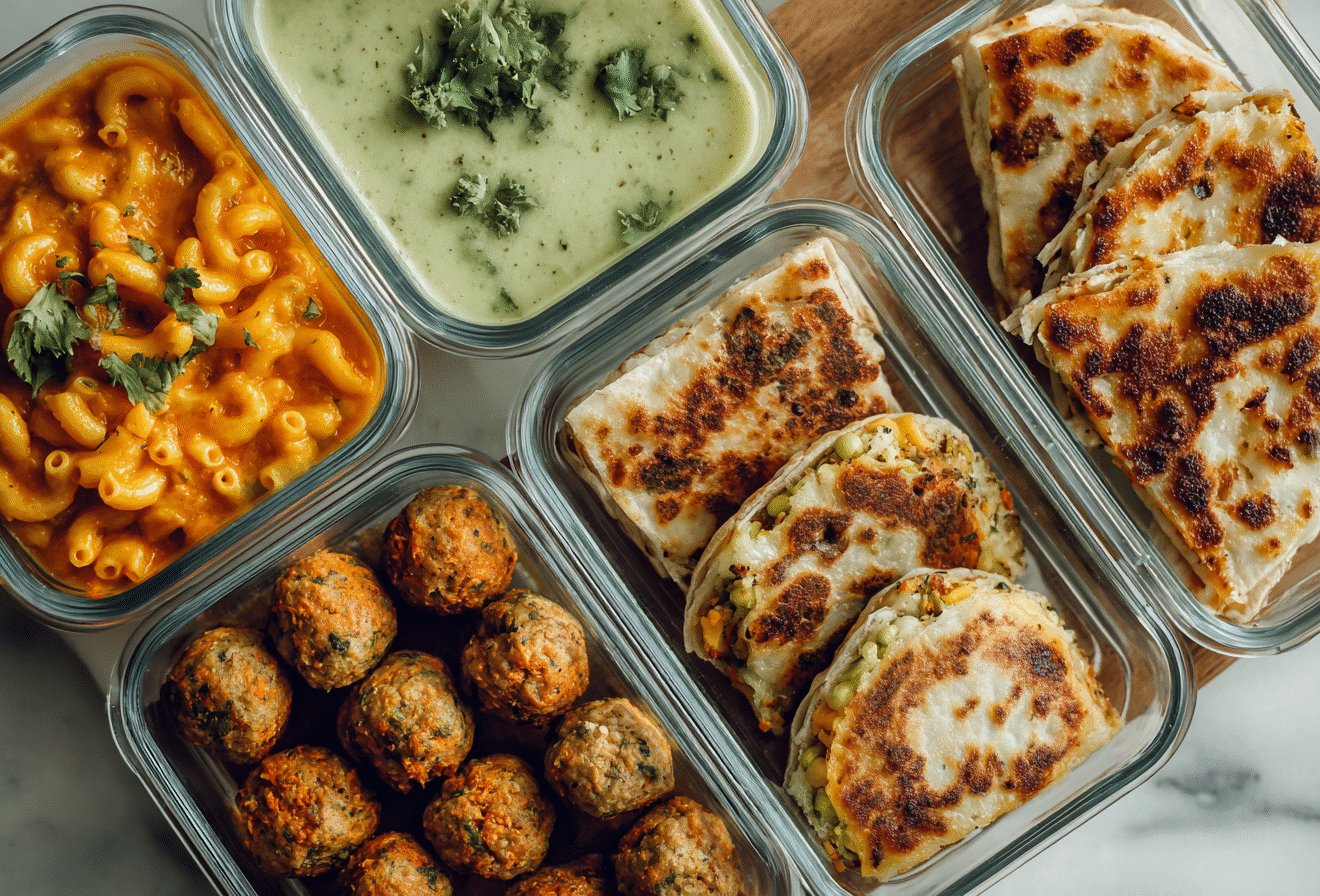
Being a parent of a toddler is a whirlwind of activity, from playtime to tantrums to endless snack requests. Finding the time and energy to cook healthy, balanced dinners every night can feel like an impossible task. That’s where the magic of freezer-friendly toddler meals comes in! This guide is designed to help you create delicious and nutritious dinners in advance, so you can spend less time in the kitchen and more quality time with your little one. We’ll cover everything from safe textures and essential nutrients to batch-cooking tips and easy recipes that even picky eaters will (hopefully!) enjoy.
Table of Contents
Why Freezer-Friendly Toddler Dinners Are a Game-Changer
Freezing toddler meals offers a multitude of benefits for busy parents:
- Saves Time: Batch cooking and freezing meals significantly reduces the amount of time you spend cooking during the week. Instead of scrambling to put together a dinner after a long day, you can simply pull a pre-made meal from the freezer.
- Reduces Stress: Knowing that you have healthy, homemade meals readily available eliminates the stress of last-minute dinner decisions and the temptation to opt for less nutritious takeout options.
- Saves Money: Cooking in bulk and freezing leftovers often proves more economical than buying individual meals or relying on convenience foods.
- Ensures Healthy Eating: You have complete control over the ingredients in your homemade meals, ensuring your toddler receives a balanced and nutritious diet, free from excessive salt, sugar, and unhealthy additives.
- Reduces Food Waste: Freezing leftovers prevents food from going to waste, helping you save money and reduce your environmental impact.
- Offers Variety: You can prepare a variety of meals in advance, offering your toddler a diverse range of flavors and textures.
Understanding Toddler Nutrition: A Quick Guide
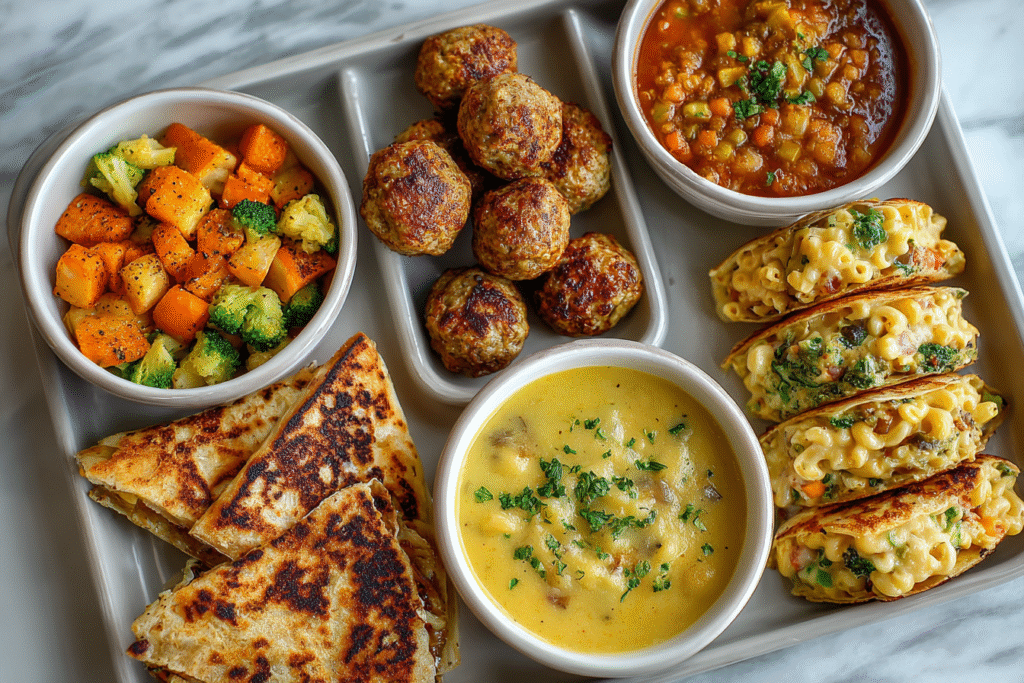
Before diving into recipes, let’s briefly touch on essential nutrients for toddlers aged 1-3 years:
- Protein: Crucial for growth and development. Good sources include lean meats, poultry, fish, beans, lentils, eggs, and tofu. Aim for approximately 13 grams of protein per day.
- Iron: Important for brain development and preventing anemia. Excellent sources include red meat, fortified cereals, beans, lentils, and spinach. Serve iron-rich foods with Vitamin C to enhance absorption.
- Calcium: Essential for strong bones and teeth. Dairy products (milk, yogurt, cheese) are excellent sources. Non-dairy alternatives like fortified plant-based milks, tofu, and leafy greens also provide calcium.
- Fiber: Promotes healthy digestion and prevents constipation. Good sources include fruits, vegetables, whole grains, beans, and lentils.
- Healthy Fats: Important for brain development and overall health. Include sources like avocado, olive oil, nuts (if no allergy concerns), and fatty fish.
- Vitamins: A variety of vitamins are essential for overall health. Ensure your toddler consumes a colorful diet rich in fruits and vegetables to obtain necessary vitamins.
Important Note: Always consult with your pediatrician or a registered dietitian for personalized dietary recommendations for your toddler.
Safe Textures for Toddlers: Avoiding Choking Hazards
Toddlers are still developing their chewing and swallowing skills, so it’s crucial to prepare food with safe textures to minimize the risk of choking.
- Avoid small, hard, round foods: Whole grapes, nuts, popcorn, hard candies, and raw carrots should be avoided or modified.
- Cut food into small, manageable pieces: Dice fruits and vegetables into pieces smaller than half an inch.
- Cook food until soft: Steam or roast vegetables until tender.
- Remove bones and seeds: Ensure all bones are removed from meat and fish, and seeds are removed from fruits.
- Spread nut butter thinly: Never give a toddler a spoonful of nut butter, as it can be a choking hazard. Spread it thinly on toast or crackers.
- Supervise meal times: Always supervise your toddler while they are eating.
Essential Tools for Freezer-Friendly Cooking
Having the right tools can make batch cooking and freezing toddler meals much easier:
- Large Pots and Pans: For cooking large quantities of food.
- Food Processor or Blender: For pureeing or finely chopping ingredients.
- Ice Cube Trays: Perfect for freezing small portions of purees or sauces.
- Freezer-Safe Containers: Choose BPA-free containers in various sizes.
- Freezer Bags: Opt for heavy-duty freezer bags for storing larger portions.
- Labels and Markers: To clearly label and date your frozen meals.
- Measuring Cups and Spoons: For accurate ingredient measurements.
Batch-Cooking Tips for Freezer Success
- Plan Ahead: Create a meal plan for the week and identify which meals you can make in advance and freeze.
- Double or Triple Recipes: When cooking a meal, consider doubling or tripling the recipe to have extra portions for freezing.
- Cook in Bulk: Dedicate a few hours on the weekend to batch cook several meals at once.
- Cool Food Completely: Allow food to cool completely before freezing to prevent ice crystals from forming.
- Portion Appropriately: Divide meals into individual toddler-sized portions before freezing. This makes reheating easier and prevents food waste.
- Label and Date Everything: Clearly label each container or bag with the name of the meal and the date it was prepared. This helps you keep track of your frozen meals and ensure you use them within a safe timeframe.
- Freeze Flat: When freezing liquids or sauces in freezer bags, lay them flat to freeze. This makes them easier to store and thaw.
- Use Within Recommended Timeframe: Generally, frozen toddler meals are best used within 1-3 months for optimal quality and flavor.
Freezer-Friendly Toddler Dinner Ideas: Recipes and Instructions
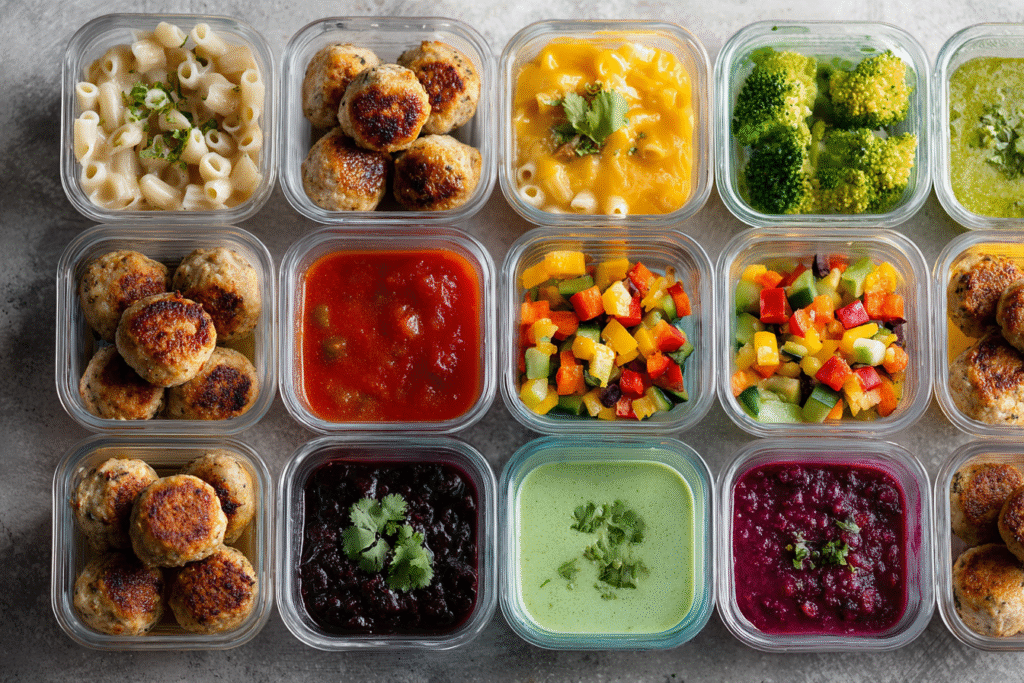
Here are some delicious and nutritious freezer-friendly toddler dinner ideas, along with detailed recipes and instructions:
1. Mini Chicken Meatballs with Tomato Sauce:
- Nutrition: Excellent source of protein and iron. Tomato sauce provides Vitamin C, which helps with iron absorption.
- Texture: Soft and easy to chew.
- Ingredients:
- 1 lb ground chicken
- 1/2 cup breadcrumbs (whole wheat preferred)
- 1/4 cup grated Parmesan cheese
- 1 egg, lightly beaten
- 1 clove garlic, minced
- 1/4 cup finely chopped onion
- 1 tsp dried oregano
- Salt and pepper to taste
- 2 cups tomato sauce (low sodium)
- Instructions:
- Preheat oven to 375°F (190°C).
- In a large bowl, combine ground chicken, breadcrumbs, Parmesan cheese, egg, garlic, onion, oregano, salt, and pepper.
- Mix well with your hands until all ingredients are combined.
- Roll the mixture into small, bite-sized meatballs.
- Place the meatballs on a baking sheet lined with parchment paper.
- Bake for 15-20 minutes, or until cooked through.
- While the meatballs are baking, heat the tomato sauce in a saucepan.
- Once the meatballs are cooked, add them to the tomato sauce and simmer for 5-10 minutes.
- Allow to cool completely.
- Portion into freezer-safe containers or bags.
- Label and date.
- Freezing: Freeze for up to 3 months.
- Reheating: Thaw in the refrigerator overnight. Reheat in a saucepan on the stovetop or in the microwave until heated through. Serve with cooked pasta or mashed sweet potatoes.
- Picky Eater Tip: Offer a small amount of tomato sauce on the side for dipping.
2. Sweet Potato and Black Bean Quesadillas:
- Nutrition: Good source of fiber, vitamins, and minerals. Sweet potatoes provide Vitamin A, and black beans are a great source of protein and iron.
- Texture: Soft and easy to chew.
- Ingredients:
- 2 medium sweet potatoes, peeled and diced
- 1 tbsp olive oil
- 1 can (15 oz) black beans, rinsed and drained
- 1/2 cup shredded cheddar cheese
- 6 whole wheat tortillas
- Instructions:
- Preheat oven to 400°F (200°C).
- Toss diced sweet potatoes with olive oil and spread on a baking sheet.
- Roast for 20-25 minutes, or until tender.
- In a bowl, mash the roasted sweet potatoes with a fork.
- Add the black beans and cheddar cheese and mix well.
- Spread the sweet potato and black bean mixture evenly over half of each tortilla.
- Fold the tortillas in half.
- Heat a large skillet over medium heat.
- Cook the quesadillas for 2-3 minutes per side, or until golden brown and the cheese is melted.
- Allow to cool completely.
- Cut each quesadilla into wedges.
- Arrange the wedges in a single layer on a baking sheet lined with parchment paper.
- Freeze for 1-2 hours, or until solid.
- Transfer the frozen quesadilla wedges to a freezer bag.
- Label and date.
- Freezing: Freeze for up to 2 months.
- Reheating: Reheat in the oven at 350°F (175°C) for 10-15 minutes, or until heated through. You can also reheat them in a skillet over medium heat or in the microwave.
- Picky Eater Tip: Serve with a dollop of plain yogurt or avocado for dipping.
3. Veggie-Packed Mac and Cheese:
- Nutrition: A good source of calcium, carbohydrates, and vitamins from the added vegetables.
- Texture: Creamy and easy to eat.
- Ingredients:
- 1 lb elbow macaroni (whole wheat preferred)
- 4 tbsp butter
- 4 tbsp all-purpose flour
- 3 cups milk (whole milk preferred)
- 2 cups shredded cheddar cheese
- 1 cup cooked and finely chopped vegetables (broccoli, carrots, peas, zucchini)
- Salt and pepper to taste
- Instructions:
- Cook macaroni according to package directions. Drain and set aside.
- While the macaroni is cooking, melt butter in a large saucepan over medium heat.
- Whisk in flour and cook for 1-2 minutes, until smooth.
- Gradually whisk in milk and bring to a simmer, stirring constantly.
- Reduce heat to low and simmer for 5-7 minutes, or until the sauce has thickened.
- Remove from heat and stir in cheddar cheese until melted and smooth.
- Add cooked macaroni and chopped vegetables to the cheese sauce and mix well.
- Season with salt and pepper to taste.
- Allow to cool completely.
- Portion into freezer-safe containers or bags.
- Label and date.
- Freezing: Freeze for up to 3 months.
- Reheating: Thaw in the refrigerator overnight. Reheat in a saucepan on the stovetop or in the microwave, adding a splash of milk if needed to loosen the sauce.
- Picky Eater Tip: Start with small amounts of vegetables and gradually increase the amount as your toddler gets used to them.
4. Lentil Soup with Hidden Vegetables:
- Nutrition: Excellent source of fiber, protein, and iron. Packed with vitamins and minerals from the vegetables.
- Texture: Soft and easily digestible.
- Ingredients:
- 1 tbsp olive oil
- 1 onion, chopped
- 2 carrots, chopped
- 2 celery stalks, chopped
- 2 cloves garlic, minced
- 1 cup brown or green lentils, rinsed
- 6 cups vegetable broth (low sodium)
- 1 can (14.5 oz) diced tomatoes, undrained
- 1 tsp dried thyme
- 1/2 tsp smoked paprika
- Salt and pepper to taste
- Optional: 1 cup pureed butternut squash or sweet potato (for extra hidden veggies)
- Instructions:
- Heat olive oil in a large pot over medium heat.
- Add onion, carrots, and celery and cook for 5-7 minutes, or until softened.
- Add garlic and cook for 1 minute more.
- Add lentils, vegetable broth, diced tomatoes, thyme, and smoked paprika.
- Bring to a boil, then reduce heat and simmer for 20-25 minutes, or until the lentils are tender.
- If using, stir in pureed butternut squash or sweet potato.
- Season with salt and pepper to taste.
- Allow to cool completely.
- Portion into freezer-safe containers or bags.
- Label and date.
- Freezing: Freeze for up to 3 months.
- Reheating: Thaw in the refrigerator overnight. Reheat in a saucepan on the stovetop or in the microwave until heated through.
- Picky Eater Tip: Serve with a side of whole-grain bread or crackers for dipping.
5. Salmon Patties with Dill Yogurt Sauce:
- Nutrition: Excellent source of omega-3 fatty acids, protein, and Vitamin D.
- Texture: Soft and flaky.
- Ingredients:
- 1 can (14.75 oz) salmon, drained and bones removed
- 1/2 cup breadcrumbs (whole wheat preferred)
- 1 egg, lightly beaten
- 1/4 cup finely chopped onion
- 1 tbsp lemon juice
- Salt and pepper to taste
- Dill Yogurt Sauce:
- 1/2 cup plain yogurt (whole milk preferred)
- 1 tbsp chopped fresh dill
- 1 tsp lemon juice
- Instructions:
- In a large bowl, combine salmon, breadcrumbs, egg, onion, lemon juice, salt, and pepper.
- Mix well with your hands until all ingredients are combined.
- Form the mixture into small patties.
- Heat a skillet over medium heat.
- Cook the salmon patties for 3-4 minutes per side, or until golden brown and cooked through.
- While the salmon patties are cooking, prepare the dill yogurt sauce by combining yogurt, dill, and lemon juice in a small bowl.
- Allow to cool completely.
- Arrange the patties in a single layer on a baking sheet lined with parchment paper.
- Freeze for 1-2 hours, or until solid.
- Transfer the frozen salmon patties to a freezer bag.
- Label and date.
- Freezing: Freeze for up to 2 months.
- Reheating: Reheat in the oven at 350°F (175°C) for 10-15 minutes, or until heated through. You can also reheat them in a skillet over medium heat.
- Picky Eater Tip: Serve with the dill yogurt sauce on the side for dipping.
Reheating Frozen Toddler Meals: Best Practices
- Thaw Safely: The safest way to thaw frozen toddler meals is in the refrigerator overnight. You can also thaw them in the microwave using the defrost setting, but be sure to cook them immediately after thawing.
- Reheat Thoroughly: Ensure that all meals are reheated to an internal temperature of 165°F (74°C) to kill any harmful bacteria.
- Stovetop Reheating: Reheating on the stovetop allows for even heating and prevents the food from drying out. Add a splash of water or broth if needed to loosen the sauce.
- Microwave Reheating: Microwave reheating is quick and convenient, but be sure to stir the food frequently to ensure even heating. Use a microwave-safe container.
- Oven Reheating: Oven reheating is a good option for larger portions or meals that need to be crispy.
- Check the Temperature: Always check the temperature of the food before serving it to your toddler to ensure it is not too hot.
Dealing with Picky Eaters: Tips and Tricks
Toddlers are notorious for being picky eaters. Here are some tips to help you navigate this challenging phase:
- Offer a Variety of Foods: Expose your toddler to a wide range of flavors and textures.
- Don’t Pressure Them to Eat: Forcing a child to eat can backfire and create negative associations with food.
- Make Mealtime Fun: Create a positive and relaxed atmosphere at mealtime.
- Involve Your Toddler in Food Preparation: Let them help with simple tasks like washing vegetables or stirring ingredients.
- Serve Small Portions: Overwhelming your toddler with a large plate of food can be discouraging.
- Offer Dips: Dips like yogurt, hummus, or avocado can make vegetables more appealing.
- Hide Vegetables: Puree vegetables and add them to sauces, soups, or baked goods.
- Be Patient and Persistent: It can take multiple exposures to a new food before a toddler accepts it.
- Lead by Example: Eat healthy foods yourself and show your toddler that you enjoy them.
- Consult with a Professional: If you are concerned about your toddler’s eating habits, consult with your pediatrician or a registered dietitian.
Conclusion: Embrace the Freezer and Enjoy Stress-Free Mealtimes
Freezer-friendly toddler dinners are a lifesaver for busy parents. By planning ahead, batch cooking, and utilizing the freezer, you can ensure that your toddler always has access to healthy, homemade meals. Remember to prioritize safe textures, offer a variety of foods, and be patient with picky eaters. With a little planning and preparation, you can conquer the dinner dilemma and enjoy more quality time with your little one. Happy cooking!