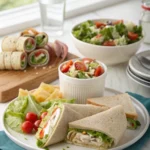
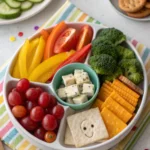
Navigating toddlerhood is a whirlwind of first steps, new words, and, of course, figuring out what to feed your little one! If your toddler has a dairy allergy or intolerance, or if you’re simply choosing to reduce dairy in their diet, dinnertime can feel particularly challenging. Fear not, parents! This guide is packed with easy, tasty, and nutritious dairy-free dinner ideas that will keep your toddler happy and healthy. We’ll cover everything from safe textures and protein alternatives to calcium-rich options and tips for tackling picky eaters.
Table of Contents
Understanding Dairy Intolerance and Allergies in Toddlers
Before diving into the recipes, let’s briefly touch upon dairy intolerance and allergies.
- Dairy Allergy: A dairy allergy is an immune system response to proteins found in milk, most commonly casein and whey. Even a tiny amount of dairy can trigger a reaction, which can range from mild (hives, eczema, vomiting) to severe (anaphylaxis).
- Dairy Intolerance (Lactose Intolerance): Lactose intolerance occurs when the body doesn’t produce enough lactase, the enzyme needed to digest lactose, the sugar found in milk. Symptoms usually include bloating, gas, diarrhea, and stomach pain.
If you suspect your toddler has a dairy allergy or intolerance, it’s crucial to consult with their pediatrician or a registered dietitian for proper diagnosis and guidance.
Why Dairy-Free?
Beyond allergies and intolerances, some parents choose a dairy-free diet for their toddlers for other reasons, such as:
- Personal Dietary Choices: Following a vegan or plant-based lifestyle.
- Environmental Concerns: Reducing their carbon footprint associated with dairy farming.
- Skin Issues: Some parents find that eliminating dairy helps improve their toddler’s eczema or other skin conditions.
Whatever your reason for going dairy-free, ensuring your toddler gets the necessary nutrients is paramount.
Essential Nutrients for Dairy-Free Toddlers
Dairy is a significant source of calcium, vitamin D, and protein. When eliminating dairy, it’s essential to find alternative sources of these nutrients:
- Calcium: Crucial for bone development and overall health.
- Dairy-Free Sources: Fortified plant-based milk (almond, soy, oat), tofu (calcium-set), leafy green vegetables (kale, spinach), fortified orange juice, broccoli, calcium-fortified cereals.
- Vitamin D: Helps the body absorb calcium.
- Dairy-Free Sources: Fortified plant-based milk, fortified cereals, egg yolks (if your toddler eats eggs), fatty fish (salmon, tuna – in moderation for toddlers due to mercury levels), and vitamin D supplements (consult with your pediatrician).
- Protein: Essential for growth and development.
- Dairy-Free Sources: Meat, poultry, fish, beans, lentils, tofu, tempeh, eggs (if your toddler eats eggs), nuts and seeds (ground or as nut butter, depending on age and allergy risk), quinoa, edamame.
Safe Textures and Food Preparation for Toddlers (1-3 Years Old)
Toddlers are still developing their chewing and swallowing skills, so it’s crucial to prepare food safely.
- Cut food into small, manageable pieces: Aim for pieces no larger than ½ inch.
- Avoid whole grapes, nuts, and cherry tomatoes: These are choking hazards. Cut them into quarters.
- Cook vegetables until soft: Steaming, boiling, or roasting vegetables until tender makes them easier to chew.
- Remove bones from fish and poultry: Always double-check for any small bones.
- Serve food at a safe temperature: Avoid serving food that is too hot.
- Supervise meal times: Always supervise your toddler while they are eating.
Dairy-Free Toddler Dinner Ideas: A Comprehensive Guide
Here are a variety of delicious and easy dairy-free dinner ideas, categorized for easy browsing:
1. Protein-Packed Dinners
These dinners focus on providing ample protein for your growing toddler.
a) Chicken and Veggie Skewers with Peanut Sauce
- Why it works: Fun to eat, packed with protein and veggies, and the peanut sauce adds flavor and healthy fats.
- Ingredients:
- 1 boneless, skinless chicken breast, cut into small cubes
- 1/2 cup broccoli florets, cut into small pieces
- 1/2 cup bell pepper (any color), cut into small pieces
- 1/4 cup red onion, cut into small pieces
- Wooden skewers (soaked in water for 30 minutes to prevent burning)
- Peanut Sauce:
- 2 tablespoons peanut butter (or sunflower seed butter for nut allergies)
- 1 tablespoon soy sauce (or tamari for gluten-free)
- 1 tablespoon maple syrup or honey (optional, for sweetness – avoid honey for babies under 1 year old)
- 1 tablespoon water
- 1/2 teaspoon rice vinegar (optional)
- Instructions:
- Thread the chicken, broccoli, bell pepper, and red onion onto the skewers.
- Grill, bake (375°F for 15-20 minutes), or pan-fry the skewers until the chicken is cooked through and the vegetables are tender.
- While the skewers are cooking, whisk together the peanut butter, soy sauce, maple syrup (if using), water, and rice vinegar (if using) in a small bowl.
- Serve the skewers with the peanut sauce for dipping.
- Nutrition Note: Chicken is a great source of lean protein. Peanut butter provides healthy fats and additional protein.
b) Lentil Soup with Crusty Bread (Dairy-Free)
- Why it works: A hearty and nutritious meal that’s easy to make and packed with fiber.
- Ingredients:
- 1 tablespoon olive oil
- 1 onion, chopped
- 2 carrots, chopped
- 2 celery stalks, chopped
- 2 cloves garlic, minced
- 1 cup brown or green lentils, rinsed
- 6 cups vegetable broth
- 1 teaspoon dried thyme
- 1/2 teaspoon salt
- 1/4 teaspoon black pepper
- Crusty bread (ensure it’s dairy-free)
- Instructions:
- Heat the olive oil in a large pot over medium heat. Add the onion, carrots, and celery and cook until softened, about 5-7 minutes.
- Add the garlic and cook for another minute until fragrant.
- Stir in the lentils, vegetable broth, thyme, salt, and pepper.
- Bring to a boil, then reduce heat and simmer for 20-25 minutes, or until the lentils are tender.
- Serve with crusty bread for dipping.
- Nutrition Note: Lentils are an excellent source of plant-based protein and fiber.
c) Tofu Scramble with Veggies
- Why it works: A versatile and protein-rich option that can be customized with your toddler’s favorite vegetables.
- Ingredients:
- 1 tablespoon olive oil
- 1/2 onion, chopped
- 1/2 bell pepper (any color), chopped
- 1/4 cup spinach, chopped
- 1/2 block firm or extra-firm tofu, crumbled
- 1/4 teaspoon turmeric (for color and flavor)
- Salt and pepper to taste
- Instructions:
- Heat the olive oil in a skillet over medium heat. Add the onion and bell pepper and cook until softened, about 5-7 minutes.
- Add the spinach and cook until wilted, about 1-2 minutes.
- Add the crumbled tofu and turmeric. Cook, stirring occasionally, until the tofu is heated through and slightly browned, about 5-7 minutes.
- Season with salt and pepper to taste.
- Nutrition Note: Tofu is a complete protein source and a good source of calcium (if calcium-set).
2. Veggie-Forward Dinners
These dinners prioritize vegetables while still providing essential nutrients.
a) Sweet Potato and Black Bean Quesadillas (Dairy-Free Cheese Optional)
- Why it works: A fun and customizable meal that’s packed with fiber and vitamins.
- Ingredients:
- 2 small sweet potatoes, peeled and cubed
- 1 tablespoon olive oil
- 1/2 teaspoon chili powder
- 1/4 teaspoon cumin
- 1 (15-ounce) can black beans, rinsed and drained
- 4 dairy-free tortillas
- Dairy-free shredded cheese (optional)
- Dairy-free sour cream or avocado for topping (optional)
- Instructions:
- Preheat oven to 400°F (200°C). Toss sweet potatoes with olive oil, chili powder, and cumin. Roast for 20-25 minutes, or until tender.
- Mash the roasted sweet potatoes with a fork.
- Spread the mashed sweet potatoes and black beans evenly over half of each tortilla. Sprinkle with dairy-free cheese (if using).
- Fold the tortillas in half and press down gently.
- Heat a large skillet over medium heat. Cook the quesadillas for 2-3 minutes per side, or until golden brown and the cheese is melted (if using).
- Cut into wedges and serve with dairy-free sour cream or avocado (optional).
- Nutrition Note: Sweet potatoes are a great source of vitamin A and fiber. Black beans provide protein and fiber.
b) Roasted Vegetable Medley with Quinoa
- Why it works: A simple and nutritious meal that’s packed with vitamins, minerals, and fiber.
- Ingredients:
- 1 cup broccoli florets
- 1 cup cauliflower florets
- 1 cup carrots, chopped
- 1 cup zucchini, chopped
- 1 tablespoon olive oil
- 1/2 teaspoon dried herbs (such as oregano, thyme, or rosemary)
- Salt and pepper to taste
- 1 cup cooked quinoa
- Instructions:
- Preheat oven to 400°F (200°C).
- Toss the broccoli, cauliflower, carrots, and zucchini with olive oil, dried herbs, salt, and pepper.
- Spread the vegetables in a single layer on a baking sheet.
- Roast for 20-25 minutes, or until tender and slightly browned.
- Serve the roasted vegetables over cooked quinoa.
- Nutrition Note: Quinoa is a complete protein and a good source of fiber.
c) Veggie Burgers on Whole Wheat Buns (Dairy-Free)
- Why it works: A fun and familiar meal that can be easily customized with your toddler’s favorite toppings.
- Ingredients:
- Pre-made dairy-free veggie burgers (check labels carefully)
- Whole wheat buns (ensure they are dairy-free)
- Lettuce
- Tomato slices
- Avocado slices
- Dairy-free mayonnaise or ketchup
- Instructions:
- Cook the veggie burgers according to package directions.
- Toast the whole wheat buns (optional).
- Assemble the burgers with lettuce, tomato slices, avocado slices, and dairy-free mayonnaise or ketchup.
- Nutrition Note: Choose veggie burgers that are high in protein and fiber.
3. Grain-Based Dinners
These dinners feature grains as the main component, providing carbohydrates for energy.
a) Pasta with Marinara Sauce and Meatballs (Dairy-Free)
- Why it works: A classic toddler favorite that can be easily made dairy-free.
- Ingredients:
- Pasta (choose a shape your toddler enjoys, such as penne or rotini)
- Dairy-free marinara sauce (check labels carefully)
- Meatballs (beef, turkey, or plant-based – ensure they are dairy-free)
- Instructions:
- Cook the pasta according to package directions.
- Heat the marinara sauce in a saucepan.
- Cook the meatballs according to package directions.
- Drain the pasta and toss with the marinara sauce and meatballs.
- Nutrition Note: Choose whole wheat pasta for added fiber.
b) Rice and Beans
- Why it works: A simple, affordable, and nutritious meal that’s easy to make.
- Ingredients:
- Cooked rice (brown or white)
- Cooked beans (black beans, pinto beans, or kidney beans)
- Optional toppings: diced avocado, salsa, chopped cilantro
- Instructions:
- Combine cooked rice and beans in a bowl.
- Top with diced avocado, salsa, and chopped cilantro (optional).
- Nutrition Note: Rice and beans together provide a complete protein.
c) Chicken Fried Rice (Dairy-Free)
- Why it works: A flavorful and customizable meal that’s a great way to use up leftover rice and vegetables.
- Ingredients:
- 1 tablespoon sesame oil
- 1 cup cooked chicken, diced
- 1/2 cup frozen peas and carrots
- 1/4 cup chopped onion
- 2 cups cooked rice
- 2 tablespoons soy sauce (or tamari for gluten-free)
- 1 egg, scrambled (optional)
- Instructions:
- Heat the sesame oil in a large skillet or wok over medium heat.
- Add the chicken, peas and carrots, and onion and cook until heated through, about 5-7 minutes.
- Add the rice and soy sauce and cook, stirring occasionally, until heated through, about 3-5 minutes.
- Stir in the scrambled egg (if using).
- Nutrition Note: Use brown rice for added fiber.
Tackling Picky Eaters: Tips and Tricks
Picky eating is a common phase in toddlerhood. Here are some tips to help encourage your toddler to try new foods:
- Offer a variety of foods: Even if your toddler only eats a few bites, offering a variety of foods exposes them to different flavors and textures.
- Make mealtime fun: Use fun shapes, colors, and presentations to make food more appealing.
- Involve your toddler in meal preparation: Letting your toddler help with simple tasks, such as washing vegetables or stirring ingredients, can make them more interested in trying the food.
- Don’t pressure your toddler to eat: Pressuring your toddler to eat can backfire and make them even more resistant.
- Be a good role model: Eat healthy foods yourself and let your toddler see you enjoying them.
- Offer new foods alongside familiar favorites: This can make new foods less intimidating.
- Serve small portions: Overwhelming your toddler with a large portion can discourage them from trying it.
- Be patient and persistent: It can take multiple exposures to a new food before a toddler will try it.
- Consider a multivitamin: If you are concerned about your toddler’s nutrient intake, talk to their pediatrician about whether a multivitamin is appropriate.
Calcium-Rich Dairy-Free Snack Ideas
Complement your dairy-free dinners with calcium-rich snacks throughout the day:
- Fortified plant-based yogurt: Many brands offer calcium-fortified dairy-free yogurt alternatives.
- Fortified plant-based milk: Serve with meals or as a standalone snack.
- Tofu cubes: Offer small cubes of calcium-set tofu.
- Edamame: Steamed edamame is a fun and nutritious snack.
- Broccoli florets with hummus: A healthy and filling snack.
- Fortified orange juice: In moderation, as it is high in sugar.
Conclusion
Creating delicious and nutritious dairy-free dinners for your toddler doesn’t have to be a daunting task. With a little planning and creativity, you can provide your little one with all the essential nutrients they need to thrive. Remember to focus on protein, calcium, and vitamin D, and don’t be afraid to experiment with different flavors and textures. And most importantly, be patient and persistent with picky eaters. With a little effort, you can make dinnertime a happy and healthy experience for the whole family!