Navigating toddlerhood is Balanced toddler dinner meal plans a whirlwind of first steps, endless curiosity, and… mealtime battles. As parents, we all want to provide our little ones with the best possible nutrition to fuel their growth and development. But figuring out what constitutes a balanced dinner, especially when dealing with picky eaters, can feel overwhelming. This guide is designed to provide you with practical, age-appropriate dinner meal plans for toddlers aged 1, 2, and 3, along with tips and tricks to make mealtimes less stressful and more enjoyable. Let’s dive in!
Table of Contents
Why Balanced Dinners Matter for Toddlers
Toddlers are growing and developing at an incredible rate. Their brains are rapidly forming connections, their bodies are building strong bones and muscles, and their immune systems are maturing. A balanced dinner plays a crucial role in supporting all these processes.
Key nutrients toddlers need at dinner: Balanced toddler dinner meal plans
- Protein: Essential for growth, tissue repair, and immune function.
- Carbohydrates (Whole Grains): Provide energy for active toddlers.
- Healthy Fats: Crucial for brain development and vitamin absorption.
- Vitamins and Minerals: Support overall health and immune function.
- Calcium: Important for strong bones and teeth.
- Fiber: Promotes healthy digestion.
A balanced dinner should include a variety of these nutrients, ensuring your toddler gets the fuel they need to thrive.
balanced meals for toddlers
Understanding Toddler Portion Sizes
One of the biggest challenges for parents is figuring out how much food to offer. Remember, toddler stomachs are small! It’s better to offer smaller portions and allow them to ask for more. A good rule of thumb is the “one tablespoon per year of age” guideline. This means a one-year-old might need about one tablespoon of each food group, while a three-year-old might need three tablespoons.
Important Considerations:
- Individual Differences: Every child is different. Some toddlers have bigger appetites than others.
- Activity Level: More active toddlers may need slightly larger portions.
- Listen to Your Child: Pay attention to their cues. If they turn their head away or push food away, they are likely full.
- Don’t Force Feeding: Forcing a child to eat can create negative associations with food.
Age-Specific Dinner Meal Plans:
toddler dinner guide ages 1-3
While the basic principles of balanced nutrition remain the same, the specific needs and abilities of toddlers change as they grow. Here’s a breakdown of dinner meal plans tailored to each age group.
Dinner Meal Plans for 1-Year-Olds (12-24 Months)
At this age, toddlers are transitioning from purees to more textured foods. Focus on soft, easily manageable options that are cut into small, bite-sized pieces to prevent choking.
Key Considerations for 1-Year-Olds:
- Texture: Soft, cooked vegetables, shredded meats, and well-cooked pasta.
- Choking Hazards: Avoid whole grapes, hot dogs, nuts, popcorn, and hard candies.
- Allergens: Introduce common allergens (peanuts, eggs, dairy, etc.) one at a time and monitor for reactions. Consult with your pediatrician if you have concerns.
- Iron: Iron stores from birth start to deplete around 6 months, so ensure iron-rich foods are included.
Sample Dinner Meal Plan for a 1-Year-Old:
- Protein: 1-2 tablespoons shredded chicken or soft tofu.
- Vegetable: 1-2 tablespoons steamed broccoli florets (very soft) or mashed sweet potato.
- Whole Grain: 1-2 tablespoons cooked quinoa or soft rice.
- Calcium: 2-4 ounces whole milk or unsweetened yogurt.
Weekly Meal Plan Example for a 1-Year-Old:
- Monday: Shredded chicken, steamed broccoli, mashed sweet potato.
- Tuesday: Soft tofu, avocado slices, cooked rice.
- Wednesday: Ground beef (very finely ground), cooked carrots, pasta shells.
- Thursday: Lentil soup (pureed or mashed), soft bread pieces.
- Friday: Salmon flakes (boneless and skinless), steamed green beans (very soft), mashed potatoes.
- Saturday: Scrambled eggs, diced tomatoes, whole-wheat toast.
- Sunday: Chicken and vegetable stew (mashed or pureed if needed).
Recipe Example: Chicken and Vegetable Puree
- Ingredients: 1/2 cup cooked chicken, 1/4 cup cooked carrots, 1/4 cup cooked peas, 1/4 cup chicken broth.
- Instructions: Combine all ingredients in a blender or food processor. Puree until smooth. Add more broth if needed to reach desired consistency.
Serving Tips for 1-Year-Olds:
- Offer small portions and allow your child to explore the food.
- Let them feed themselves with their hands or a spoon (expect a mess!).
- Avoid adding salt or sugar to their food.
- Make mealtimes fun and engaging.
Dinner Meal Plans for 2-Year-Olds (24-36 Months)
Two-year-olds are becoming more independent and opinionated, especially when it comes to food. They can handle a wider variety of textures and flavors, but picky eating is common at this age.
Key Considerations for 2-Year-Olds:
- Picky Eating: Don’t be discouraged by food refusals. Continue to offer a variety of healthy foods.
- Independence: Allow them to help with meal preparation and serving.
- Presentation: Make food visually appealing. Use cookie cutters to create fun shapes.
- Social Influence: Eat meals together as a family to model healthy eating habits.
Sample Dinner Meal Plan for a 2-Year-Old:
- Protein: 2-3 tablespoons ground turkey or black beans.
- Vegetable: 2-3 tablespoons roasted sweet potato cubes or steamed green beans.
- Whole Grain: 2-3 tablespoons whole-wheat pasta or brown rice.
- Calcium: 4-6 ounces whole milk or cheese cubes.
Weekly Meal Plan Example for a 2-Year-Old:
- Monday: Ground turkey meatballs, roasted sweet potato, whole-wheat pasta.
- Tuesday: Black bean burgers (cut into small pieces), steamed broccoli, brown rice.
- Wednesday: Chicken nuggets (baked, not fried), carrot sticks (cooked until soft), mashed potatoes.
- Thursday: Quesadillas with cheese and beans, avocado slices.
- Friday: Salmon patties, steamed peas, quinoa.
- Saturday: Mini pizzas on whole-wheat English muffins, bell pepper slices.
- Sunday: Chicken and vegetable stir-fry with brown rice.
Recipe Example: Mini Chicken Meatballs
- Ingredients: 1 lb ground chicken, 1/4 cup breadcrumbs, 1 egg, 1/4 cup grated parmesan cheese, 1/4 teaspoon garlic powder.
- Instructions: Preheat oven to 375°F (190°C). Combine all ingredients in a bowl. Roll into small meatballs. Bake for 15-20 minutes, or until cooked through.
Serving Tips for 2-Year-Olds:
- Offer a variety of foods at each meal, even if you know they won’t eat everything.
- Don’t pressure them to eat. Let them decide how much to eat.
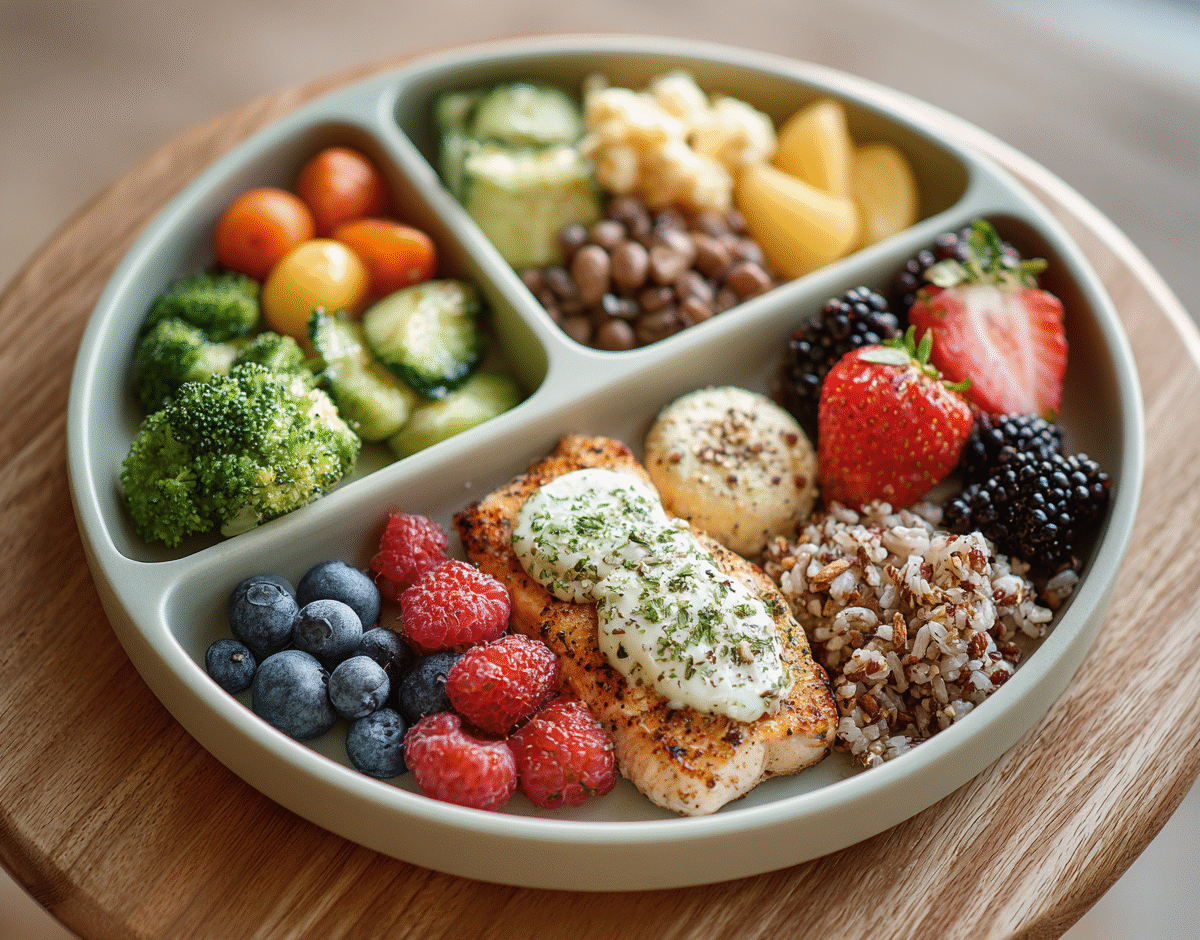
- Serve food in small portions on a divided plate.
- Make mealtimes a positive and relaxed experience.
Dinner Meal Plans for 3-Year-Olds (36-48 Months)
Three-year-olds are becoming more adventurous eaters, but they still have their preferences. They can handle a wider range of textures and flavors and are developing more independence at mealtimes.
Key Considerations for 3-Year-Olds:
- Food Preferences: Respect their food preferences, but continue to offer a variety of healthy options.
- Involvement: Involve them in meal planning and preparation.
- Portion Control: Teach them about appropriate portion sizes.
- Table Manners: Encourage good table manners.
Sample Dinner Meal Plan for a 3-Year-Old:
- Protein: 3-4 tablespoons grilled chicken or lentils.
- Vegetable: 3-4 tablespoons roasted vegetables (carrots, zucchini, bell peppers) or salad.
- Whole Grain: 3-4 tablespoons whole-wheat couscous or brown rice.
- Calcium: 6-8 ounces whole milk or yogurt parfait.
Weekly Meal Plan Example for a 3-Year-Old:
- Monday: Grilled chicken, roasted carrots and zucchini, whole-wheat couscous.
- Tuesday: Lentil soup, whole-wheat bread with butter.
- Wednesday: Turkey burgers on whole-wheat buns, sweet potato fries (baked).
- Thursday: Pasta with tomato sauce and meatballs, steamed broccoli.
- Friday: Fish sticks (baked, not fried), green beans, mashed potatoes.
- Saturday: Homemade pizza with vegetables and cheese.
- Sunday: Roast chicken, roasted potatoes, green salad.
Recipe Example: Roasted Vegetables
- Ingredients: 1 cup chopped carrots, 1 cup chopped zucchini, 1 cup chopped bell peppers, 2 tablespoons olive oil, salt and pepper to taste.
- Instructions: Preheat oven to 400°F (200°C). Toss vegetables with olive oil, salt, and pepper. Spread on a baking sheet. Roast for 20-25 minutes, or until tender.
Serving Tips for 3-Year-Olds:
- Allow them to serve themselves (with supervision).
- Encourage them to try new foods, but don’t force them.
- Make mealtimes a social and enjoyable experience.
- Model healthy eating habits.
Strategies for Picky Eaters
Picky eating is a common phase in toddlerhood. Here are some strategies to help you navigate this challenging time:
- Offer, Don’t Force: Continue to offer a variety of healthy foods, even if your child refuses them at first.
- One-Bite Rule: Encourage them to try just one bite of a new food.
- Make it Fun: Use cookie cutters, arrange food in fun shapes, or let them help with meal preparation.
- Dip It: Serve vegetables with healthy dips like hummus or yogurt.
- Sneak It In: Puree vegetables and add them to sauces, soups, or smoothies.
- Be a Role Model: Eat healthy foods yourself and let your child see you enjoying them.
- Avoid Using Food as a Reward or Punishment: This can create unhealthy associations with food.
- Consistency is Key: Stick to a regular meal schedule and avoid offering snacks too close to mealtimes.
- Don’t Give Up: It can take multiple exposures to a new food before a child will accept it.
Safe Textures and Preventing Choking
Choking is a serious concern for toddlers. Here are some tips to ensure food is safe:
- Cut Food into Small Pieces: Cut grapes, hot dogs, and other round foods into quarters.
- Cook Vegetables Until Soft: Steam or roast vegetables until they are easily mashed with a fork.
- Avoid Hard, Crunchy Foods: Avoid nuts, popcorn, hard candies, and raw carrots.
- Supervise Mealtimes: Always supervise your child while they are eating.
- Learn the Heimlich Maneuver: Take a CPR and choking first aid class.
Protein Sources for Toddlers
Protein is essential for growth and development. Here are some good protein sources for toddlers:
- Meat: Chicken, turkey, beef, pork (choose lean cuts).
- Fish: Salmon, tuna, cod (ensure all bones are removed).
- Eggs: Scrambled, hard-boiled, or in baked goods.
- Beans and Lentils: Black beans, kidney beans, lentils.
- Tofu: Soft or firm tofu.
- Dairy: Yogurt, cheese, milk.
- Nuts and Seeds (Ground or as Butter): Peanut butter, almond butter, sunflower seed butter. (Introduce carefully due to allergy risk)
Veggie Power: Getting Toddlers to Eat Their Vegetables
Getting toddlers to eat their vegetables can be a challenge, but it’s important for their health. Here are some tips:
- Offer a Variety: Offer a variety of vegetables in different colors and textures.
- Make it Fun: Cut vegetables into fun shapes or serve them with dips.
- Sneak It In: Puree vegetables and add them to sauces, soups, or smoothies.
- Be a Role Model: Eat vegetables yourself and let your child see you enjoying them.
- Grow Your Own: Plant a small garden and let your child help with the planting and harvesting.
- Don’t Give Up: Keep offering vegetables, even if your child refuses them at first.
Whole Grains for Energy
Whole grains provide energy and fiber. Here are some good whole-grain options for toddlers:
- Whole-Wheat Bread: Choose bread that is made with 100% whole wheat.
- Brown Rice: Cooked until soft.
- Quinoa: A complete protein source.
- Oatmeal: Cooked with milk or water.
- Whole-Wheat Pasta: Choose pasta that is made with 100% whole wheat.
- Couscous: A small, round pasta made from semolina.
Calcium-Rich Options for Strong Bones
Calcium is essential for strong bones and teeth. Here are some good calcium-rich options for toddlers:
- Dairy: Milk, yogurt, cheese.
- Fortified Plant-Based Milks: Soy milk, almond milk, oat milk (check labels for added calcium).
- Leafy Green Vegetables: Spinach, kale, collard greens (cooked).
- Tofu: Calcium-set tofu.
- Fortified Cereals: Check labels for added calcium.
Conclusion: Making Mealtimes a Positive Experience
Feeding toddlers can be challenging, but it’s also a rewarding experience. By providing balanced meals, creating a positive mealtime environment, and being patient and understanding, you can help your child develop healthy eating habits that will last a lifetime. Remember to consult with your pediatrician or a registered dietitian if you have any concerns about your child’s nutrition. Happy feeding!