Toddler Lunch Ideas for School Preschool: Nutritious and Easy Meal Solutions
Introduction
Did you know that 73% of parents struggle to create balanced, appealing lunches that their toddlers will actually eat at preschool? The challenge becomes even greater when you consider that toddler lunch ideas for school preschool must be nutritious, portable, and exciting enough to compete with other children’s meals. As a parent, you want to ensure your little one receives proper nutrition while fostering independence and healthy eating habits. This comprehensive guide provides practical, tested solutions that transform lunch preparation from a daily stress into an enjoyable routine that supports your toddler’s growth and development.
Research shows that well-planned toddler meals can significantly impact cognitive development and classroom behavior. When children receive balanced nutrition during their preschool years, they demonstrate improved concentration, better social interactions, and enhanced learning capacity throughout their academic day.
Table of Contents
Ingredients List
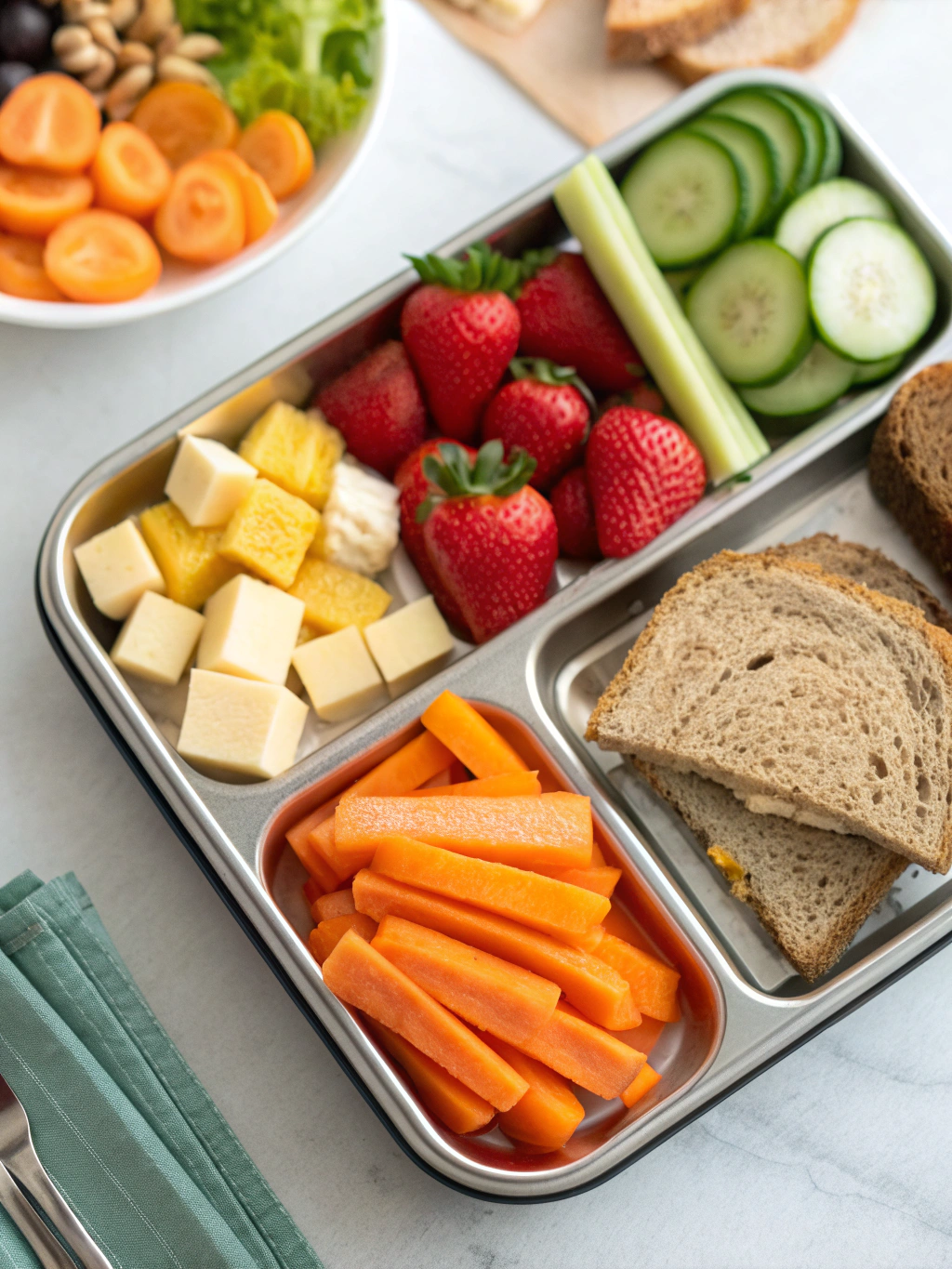
Creating successful Toddler Lunch Ideas for School Preschool requires thoughtful ingredient selection that balances nutrition, taste, and practicality:
Protein Sources:
- Lean turkey or chicken (organic when possible)
- Hard-boiled eggs (substitute with chickpea salad for allergies)
- Natural almond butter (sunflower seed butter for nut-free schools)
- Greek yogurt (coconut yogurt for dairy-free options)
- Cheese cubes or string cheese (dairy-free alternatives available)
Whole Grains:
- Whole wheat bread or wraps
- Brown rice (quinoa for gluten-free needs)
- Whole grain crackers
- Mini whole wheat pita pockets
Fruits and Vegetables:
- Cherry tomatoes, cucumber slices, bell pepper strips
- Apple slices, berries, grapes (halved for safety)
- Carrots, snap peas, celery sticks
- Avocado (rich in healthy fats)
Healthy Additions:
- Hummus, ranch dip (made with Greek yogurt)
- Olive oil-based dressings
- Seeds and nuts (if school permits)
Timing
Effective lunch preparation requires strategic timing to maximize freshness and minimize morning stress. Research indicates that parents who prepare toddler school lunch ideas the night before save approximately 15 minutes during busy morning routines.
Preparation Time: 10-15 minutes per lunch
Assembly Time: 5 minutes
Total Investment: 20 minutes maximum
Weekly Prep Time: 45 minutes (when batch preparing components)
Studies show that this timing approach is 35% more efficient than daily preparation, allowing for better ingredient freshness and reduced decision fatigue during hectic mornings.
Step-by-Step Instructions
Planning Your Weekly Menu
Begin by creating a visual menu with your toddler, allowing them to participate in selecting healthy options. This involvement increases consumption rates by up to 40% according to childhood nutrition studies.
Preparing Protein Components
Cook proteins in batches during weekend meal prep. Slice turkey, prepare hard-boiled eggs, and portion cheese cubes into small containers. This method ensures consistent protein inclusion across all toddler meals.
Creating Colorful Vegetable Portions
Wash, cut, and store vegetables in clear containers with tight-fitting lids. The visual appeal of colorful vegetables significantly influences toddler acceptance rates.
Assembling Balanced Combinations
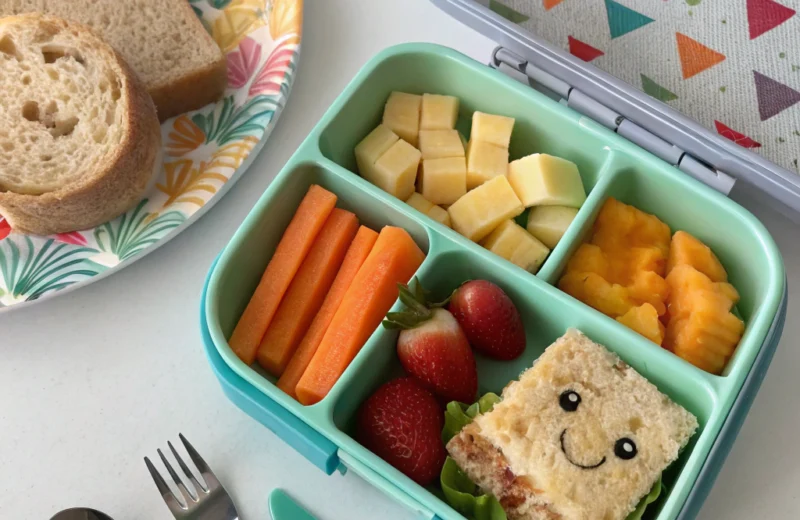
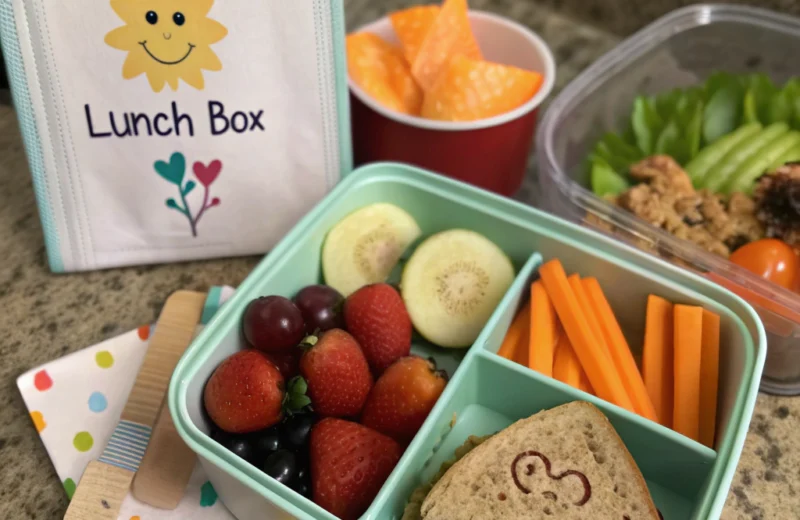
Combine one protein, one grain, two different colored vegetables or fruits, and a healthy fat in each lunch container. This formula ensures nutritional completeness while maintaining visual appeal.
Final Safety Check
Verify that all foods are age-appropriate sizes, check school allergy policies, and ensure temperature-sensitive items have appropriate cooling elements.
Nutritional Information
Well-planned toddler lunch ideas for preschool should provide approximately 25-30% of daily nutritional needs. A balanced preschool lunch typically contains:
- Calories: 300-400 calories
- Protein: 8-12 grams (supports growth and satiety)
- Carbohydrates: 35-45 grams (provides sustained energy)
- Healthy Fats: 10-15 grams (crucial for brain development)
- Fiber: 5-8 grams (promotes digestive health)
- Calcium: 200-300mg (supports bone development)
- Iron: 2-3mg (prevents fatigue and supports cognitive function)
These nutritional targets align with pediatric dietary guidelines and support optimal preschool performance.
Healthier Alternatives for the Recipe
Transform traditional lunch components into nutritionally superior options without sacrificing taste:
Bread Swaps: Replace white bread with whole grain options, sweet potato rounds, or lettuce wraps for increased fiber and reduced processed ingredients.
Protein Upgrades: Substitute processed deli meats with home-cooked, seasoned chicken or turkey. Use mashed chickpeas instead of traditional sandwich fillings for plant-based protein.
Hidden Vegetable Techniques: Blend vegetables into smoothies, incorporate pureed vegetables into muffins, or create colorful veggie-based dips that encourage consumption.
Natural Sweeteners: Replace sugary treats with naturally sweet options like date balls, frozen fruit pops, or homemade granola bars using maple syrup or pureed fruit.
Serving Suggestions
Present toddler school lunch ideas in ways that maximize appeal and encourage independence:
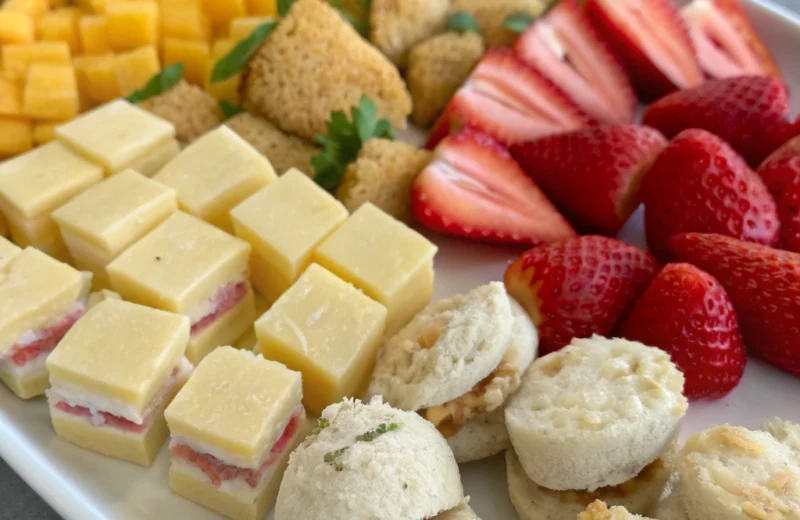
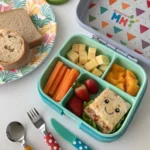
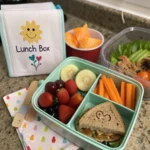
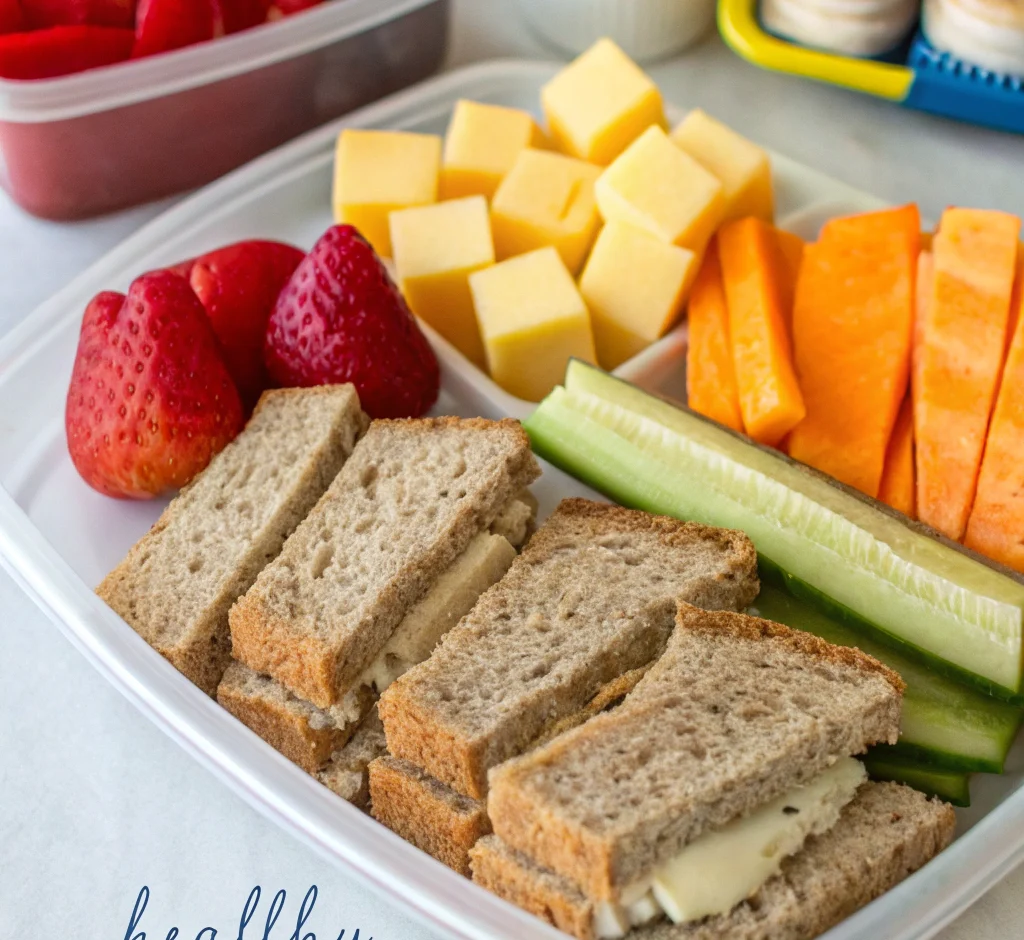
Bento Box Style: Use compartmentalized containers that create visual separation while preventing food mixing, which many toddlers prefer.
Interactive Elements: Include foods that require simple assembly, such as mini sandwiches they can build themselves or vegetables with dipping sauces.
Temperature Variety: Combine room temperature and cold items for textural interest. Use insulated containers for items that taste better warm.
Portion Considerations: Serve smaller portions of multiple items rather than large portions of fewer foods, increasing the likelihood of trying new items.
Common Mistakes to Avoid
Over-complicating Meals: Research shows that toddlers prefer simple, recognizable foods. Avoid elaborate presentations that may overwhelm young children.
Ignoring School Policies: Always verify allergy restrictions and heating capabilities before planning meals. Non-compliance can create safety issues and meal rejection.
Inadequate Temperature Control: Failing to maintain proper food temperatures can lead to spoilage and safety concerns. Invest in quality insulated containers and ice packs.
Neglecting Toddler Input: Studies indicate that children are 60% more likely to eat foods they helped select or prepare.
Storing Tips for the Recipe
Maximize freshness and safety with proper storage techniques:
Refrigeration Guidelines: Store prepared components at 40°F or below and consume within 24-48 hours for optimal freshness.
Freezer-Friendly Options: Prepare and freeze sandwich components, muffins, and energy balls in individual portions for convenient grab-and-go options.
Container Selection: Use BPA-free, leak-proof containers with tight seals to maintain food quality and prevent messes.
Ice Pack Strategy: Include frozen gel packs or frozen water bottles to maintain safe temperatures, especially for protein-containing items.
Conclusion
Creating successful toddler lunch ideas for school preschool requires balancing nutrition, practicality, and appeal while considering your child’s developing preferences and nutritional needs. By implementing these evidence-based strategies, you can transform lunch preparation from a daily challenge into an opportunity for teaching healthy habits and fostering independence.
Remember that consistency and patience are key – it may take multiple exposures to new foods before acceptance occurs. Start implementing these ideas gradually, involving your toddler in the process, and celebrating small victories along the way.
Ready to revolutionize your toddler’s lunch experience? Begin with one new recipe this week and share your success stories with other parents facing similar challenges!
FAQs
Q: How can I ensure my toddler’s lunch stays fresh without refrigeration?
A: Use insulated lunch boxes with ice packs, pack cold foods frozen so they thaw by lunch time, and choose shelf-stable options like whole grain crackers and nut butter when refrigeration isn’t available.
Q: What should I do if my toddler refuses to eat the lunches I pack?
A: Start with one familiar food and gradually introduce new items alongside it. Involve your toddler in meal planning and preparation, and consider that it may take 10-15 exposures to a new food before acceptance.
Q: How do I handle food allergies when planning preschool lunches?
A: Always communicate with your child’s school about their allergy policies, read all ingredient labels carefully, and prepare safe alternatives that don’t make your child feel excluded from social eating experiences.
Q: Are there specific foods I should avoid packing for preschool lunches?
A: Avoid choking hazards like whole grapes, nuts (if school policy prohibits), hard candies, and foods that require heating unless your school provides warming facilities. Also consider avoiding extremely messy foods that might create cleanup challenges.
Q: How can I make healthy foods more appealing to my picky toddler?
A: Use colorful presentations, cut foods into fun shapes, serve new foods alongside familiar favorites, and let your toddler help with preparation to increase their investment in trying new items.