Potty Training Regression: Understanding, Addressing, and Preventing Setbacks
- November 28, 2025
- 0
- 12 Min Read
introduction
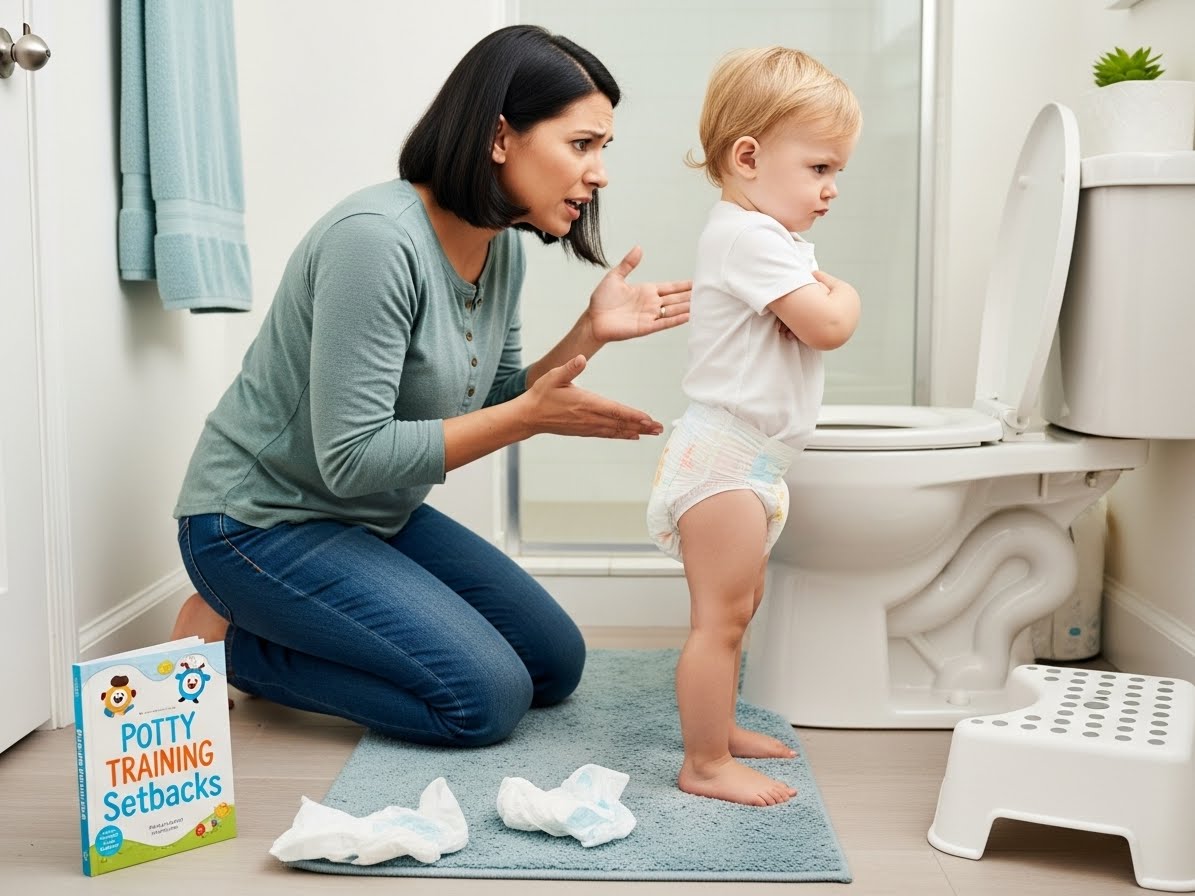
Potty training is a significant milestone in a toddler’s life, marking a step towards independence and self-sufficiency. However, the journey isn’t always smooth sailing. Many parents find themselves facing a frustrating hurdle: potty training regression. Just when you think you’ve cracked the code, your toddler starts having accidents again, leaving you feeling confused, discouraged, and perhaps even a little defeated.
This comprehensive guide is designed to help you navigate the choppy waters of potty training regression. We’ll delve into the common causes, provide practical strategies for addressing setbacks, and offer preventative measures to minimize the likelihood of regression occurring in the first place. Whether you’re in the midst of a regression or simply want to be prepared, this article will equip you with the knowledge and tools you need to confidently support your child.
Table of Contents
What is Potty Training Regression?

Potty training regression refers to a period when a child who has previously achieved consistent toilet training begins to have accidents again. This can manifest in several ways:
- Increased Accidents: More frequent wetting or soiling of underwear, even after a period of dryness.
- Loss of Bladder Control: Difficulty holding urine, leading to sudden urges and accidents.
- Refusal to Use the Toilet: Resistance to sitting on the toilet or potty chair, even when needing to go.
- Bedwetting (Enuresis): Wetting the bed after a period of nighttime dryness.
- Holding It In: Deliberately delaying or avoiding using the toilet, which can lead to constipation and further complications.
It’s crucial to distinguish between occasional accidents, which are normal during the potty training process, and true regression, which involves a significant and sustained change in previously established toilet habits. A single accident after a particularly busy day doesn’t necessarily indicate regression. However, if your child is consistently having accidents for a week or more, it’s likely that regression is occurring.
Common Causes of Potty Training Regression
Understanding the underlying causes of potty training regression is the first step towards addressing it effectively. Regression is often a symptom of an underlying issue, rather than a deliberate act of defiance. Here are some of the most common culprits:
Stress and Anxiety
Toddlers are highly sensitive to changes in their environment and routines. Stressful events can trigger regression as a way for them to regain a sense of control or seek comfort.
- New Sibling: The arrival of a new baby can be a major upheaval, leading to feelings of jealousy, insecurity, and a desire for attention. The focus shifts away from the toddler, and they may regress to earlier behaviors to get noticed.
- Example: Lily, a newly potty-trained 3-year-old, started having accidents again after her baby brother was born. Her parents were spending a lot of time caring for the infant, and Lily felt neglected.
- Moving to a New Home: A change of environment can be disorienting and stressful for toddlers. The unfamiliar surroundings and disrupted routines can lead to anxiety and regression.
- Example: The Johnson family moved to a new city, and their 2.5-year-old son, Noah, who had been reliably using the toilet, started having accidents in his new bedroom.
- Starting Daycare or Preschool: Adjusting to a new social environment and separation from parents can be stressful for some toddlers.
- Example: Mia, who had been potty trained for several months, began having accidents at daycare after starting a new program. She was overwhelmed by the large group of children and the unfamiliar routines.
- Family Conflict: Arguments or tension between parents can create a stressful environment for children, leading to regression.
- Example: When Sarah’s parents went through a particularly difficult period, she started wetting the bed again, even though she had been dry at night for over a year.
- Changes in Routine: Even seemingly minor changes, such as a new babysitter or a change in nap schedule, can disrupt a toddler’s routine and trigger regression.
Illness
Physical discomfort can make it difficult for toddlers to control their bladder and bowels.
- Urinary Tract Infection (UTI): UTIs can cause frequent urination, urgency, and pain, making it difficult for toddlers to make it to the toilet in time.
- Symptoms: Frequent urination, burning sensation during urination, cloudy or strong-smelling urine, fever. Consult a doctor if you suspect a UTI.
- Constipation: Hard, infrequent stools can put pressure on the bladder and make it difficult to empty completely, leading to accidents. Constipation can also cause pain and discomfort, making toddlers reluctant to use the toilet.
- Tips for Relieving Constipation: Increase fiber intake (fruits, vegetables, whole grains), encourage water consumption, offer prune juice, and talk to your pediatrician about safe stool softeners.
- Other Illnesses: Any illness that causes fever, diarrhea, or vomiting can disrupt a toddler’s normal bodily functions and lead to accidents.
Developmental Factors
Toddlers are constantly learning and growing, and sometimes their development can temporarily interfere with potty training progress.
- New Skills: When a toddler is focused on mastering a new skill, such as walking, talking, or climbing, they may become less attentive to their bodily cues. They may be so engrossed in their activity that they forget to go to the toilet until it’s too late.
- Example: Leo, who had recently learned to climb the stairs, started having more accidents because he was so focused on his new skill that he didn’t want to stop playing to go to the bathroom.
- Attention-Seeking: Sometimes, toddlers will regress in potty training to get attention from their parents. Even negative attention (such as scolding) can be reinforcing for a child who is feeling neglected.
- Testing Boundaries: Toddlers are constantly testing boundaries to see what they can get away with. Potty training regression can be a way for them to assert their independence and challenge their parents’ authority.
Fear and Anxiety Related to the Toilet
Negative experiences associated with the toilet can create fear and anxiety, leading to avoidance and accidents.
- Painful Bowel Movements: If a toddler has experienced painful bowel movements due to constipation, they may develop a fear of using the toilet.
- Scary Noises: The flushing toilet can be frightening for some toddlers, especially if they are sensitive to loud noises.
- Falling In: Toddlers may worry about falling into the toilet, especially if they are using a regular-sized toilet with a potty seat insert.
- Negative Reinforcement: If a toddler has been scolded or punished for having accidents, they may develop anxiety about using the toilet and become more prone to regression.
Addressing Potty Training Regression: A Step-by-Step Guide
Once you’ve identified the potential cause of your child’s potty training regression, you can begin to address it with a calm, patient, and supportive approach.
Step 1: Rule Out Medical Issues
The first step is to consult with your pediatrician to rule out any underlying medical conditions, such as a UTI or constipation. A simple urine test can detect a UTI, and a physical exam can help identify signs of constipation. Treating any medical issues will often resolve the potty training regression.
Step 2: Identify and Address the Underlying Cause
Once you’ve ruled out medical issues, try to identify the specific trigger for the regression. Consider recent changes in your child’s life, their emotional state, and any potential fears or anxieties related to the toilet.
- If Stress is the Culprit:
- Provide Extra Attention and Reassurance: Spend quality time with your child, engaging in activities they enjoy. Offer lots of hugs, cuddles, and verbal praise.
- Maintain a Consistent Routine: Stick to a predictable daily schedule, including mealtimes, naps, and bedtime. This will help your child feel more secure and in control.
- Talk About Their Feelings: Encourage your child to express their feelings about the stressful event. Listen attentively and validate their emotions. You can say things like, “I know it’s hard having a new baby in the house,” or “It’s okay to feel sad about moving.”
- Use Social Stories: Social stories are short, simple stories that describe a specific situation and how to handle it. You can create a social story about using the toilet when feeling stressed or anxious.
- If Fear is the Culprit:
- Make the Toilet a Positive Place: Read books, sing songs, or play games while your child is sitting on the toilet.
- Use a Potty Chair: If your child is afraid of the regular toilet, try using a potty chair instead. Potty chairs are smaller and more comfortable for toddlers.
- Flush the Toilet When They’re Not Around: If the flushing noise is frightening, flush the toilet when your child is not in the bathroom.
- Let Them Decorate the Bathroom: Allow your child to choose decorations for the bathroom, such as stickers or pictures. This will help them feel more comfortable and in control of the space.
- If Attention-Seeking is the Culprit:
- Ignore the Accidents (as much as possible): Clean up the accidents without making a fuss. Avoid scolding or punishing your child.
- Provide Positive Attention for Success: Praise your child enthusiastically when they use the toilet successfully. Offer small rewards, such as stickers or extra playtime.
- Spend One-on-One Time with Your Child: Dedicate specific time each day to spend quality time with your child, engaging in activities they enjoy. This will help them feel loved and valued.
Step 3: Revisit the Basics of Potty Training
Go back to the basics of potty training, as if you were starting all over again.
- Regular Potty Breaks: Take your child to the toilet every 2-3 hours, even if they don’t say they need to go.
- Positive Reinforcement: Praise your child enthusiastically when they use the toilet successfully. Offer small rewards, such as stickers or extra playtime.
- Avoid Punishment: Never scold or punish your child for having accidents. This will only make them more anxious and resistant to using the toilet.
- Dress in Easy-to-Remove Clothing: Choose clothing that your child can easily remove themselves, such as loose-fitting pants or skirts.
- Stay Consistent: Maintain a consistent potty training routine, even on weekends and during vacations.
Step 4: Be Patient and Supportive
Potty training regression can be frustrating, but it’s important to remain patient and supportive. Remember that your child is not deliberately trying to upset you. They are likely struggling with some underlying issue.
- Avoid Pressure: Don’t pressure your child to use the toilet. This will only make them more anxious and resistant.
- Offer Encouragement: Let your child know that you believe in them and that they will eventually get back on track.
- Celebrate Small Successes: Acknowledge and celebrate even small successes, such as staying dry for an hour or telling you they need to go to the toilet.
- Don’t Compare: Avoid comparing your child’s progress to other children. Every child develops at their own pace.
Step 5: Consider Professional Help
If the potty training regression persists for more than a few weeks, or if you are feeling overwhelmed, consider seeking professional help from a pediatrician, child psychologist, or potty training expert. They can help you identify the underlying cause of the regression and develop a personalized plan to address it.
Preventing Potty Training Regression
While it’s impossible to completely eliminate the risk of potty training regression, there are several steps you can take to minimize its likelihood.
Prepare for Transitions
When you know that a major change is coming up in your child’s life, such as the arrival of a new sibling or a move to a new home, prepare them in advance.
- Talk About the Change: Explain the change to your child in simple terms, using age-appropriate language.
- Read Books About the Change: Read books about new siblings, moving, or starting daycare.
- Visit the New Environment: If possible, visit the new home, daycare, or school with your child before the transition.
- Maintain a Consistent Routine: Try to maintain a consistent routine as much as possible during the transition.
Create a Positive and Supportive Environment
A positive and supportive environment can help prevent potty training regression.
- Avoid Pressure and Punishment: Never pressure or punish your child for having accidents.
- Focus on Positive Reinforcement: Praise your child enthusiastically when they use the toilet successfully.
- Make Potty Training Fun: Use games, songs, and books to make potty training more enjoyable.
- Listen to Your Child’s Concerns: Pay attention to your child’s feelings and concerns about potty training.
Address Constipation Promptly
Constipation is a common cause of potty training regression. Address constipation promptly by increasing fiber intake, encouraging water consumption, and talking to your pediatrician about safe stool softeners.
Teach Proper Hygiene
Teach your child proper hygiene habits, such as wiping from front to back and washing their hands thoroughly after using the toilet. This will help prevent UTIs and other infections.
Be Observant
Pay attention to your child’s behavior and emotional state. If you notice any signs of stress or anxiety, address them promptly.
When to Seek Professional Help
While most cases of potty training regression resolve on their own with patience and support, there are certain situations when it’s important to seek professional help.
- Persistent Regression: If the regression lasts for more than a few weeks, despite your best efforts.
- Underlying Medical Conditions: If you suspect that a medical condition, such as a UTI or constipation, is contributing to the regression.
- Emotional Distress: If your child is experiencing significant emotional distress, such as anxiety, depression, or behavioral problems.
- Family Conflict: If family conflict is contributing to the regression.
- You’re Feeling Overwhelmed: If you are feeling overwhelmed and unable to cope with the situation.
A pediatrician, child psychologist, or potty training expert can help you identify the underlying cause of the regression and develop a personalized plan to address it. They can also provide support and guidance to help you navigate this challenging time.
Conclusion
Potty training regression is a common and often frustrating experience for parents of toddlers. However, by understanding the underlying causes, addressing the issue with patience and support, and implementing preventative measures, you can help your child get back on track and achieve lasting toilet training success. Remember to stay calm, be consistent, and celebrate every small victory along the way. You’ve got this!