Introduction
Did you know that 85% of parents struggle to pack nutritious lunches that their toddlers will actually eat at school? and Toddler Lunch Ideas for Preschool Creating appealing and healthy toddler school lunch ideas doesn’t have to be a daily battle. With the right approach, you can transform lunchtime into an exciting culinary adventure that fuels your little one’s growth and development. This comprehensive guide provides practical solutions for busy parents seeking nutritious, kid-approved lunch options that work in real-world daycare settings.
Table of Contents
Ingredients List
Toddler Lunch Ideas for Preschool
Creating successful toddler lunch boxes requires a strategic ingredient foundation. Here’s your essential shopping list for a week’s worth of balanced meals:
Protein Powerhouses:
- Mini meatballs (beef, turkey, or plant-based alternatives)
- Hard-boiled eggs (pre-cooked and peeled)
- Hummus or sunflower seed butter (nut-free options)
- Shredded rotisserie chicken
- Cheese cubes or string cheese
Colorful Vegetables:
- Cherry tomatoes (halved for safety)
- Cucumber rounds
- Bell pepper strips (red, yellow, orange)
- Baby carrots or carrot coins
- Snap peas
Wholesome Carbohydrates:
- Whole grain mini muffins
- Pita bread cut into triangles
- Brown rice or quinoa (pre-cooked)
- Whole wheat pasta shapes
- Sweet potato rounds
Fruit Favorites:
- Apple slices with lemon juice (prevents browning)
- Berries (blueberries, raspberries, blackberries)
- Banana wheels
- Grapes (quartered lengthwise)
- Orange segments
Smart Substitutions: Replace traditional sandwich bread with whole grain wraps, swap regular pasta for chickpea alternatives, or use mashed avocado instead of mayo for added nutrition.
Timing to Toddler Lunch Ideas for Preschool
Efficient meal preparation is crucial for busy mornings. Here’s your time-saving breakdown:
Preparation Time: 15-20 minutes per lunch box
Weekly Prep Time: 90 minutes (20% less than traditional daily preparation)
Assembly Time: 5 minutes each morning
Time-Saving Strategy: Dedicate Sunday afternoons to batch preparation. Pre-cut vegetables, cook grains in bulk, and portion out snacks into individual containers. This approach reduces daily assembly time by 60% compared to starting from scratch each morning.
Step-by-Step Instructions
Toddler Lunch Ideas for Preschool
Step 1: Create the Protein Foundation
Start by selecting one primary protein source. For mini meatball lunch boxes, place 4-5 cooled meatballs in the main compartment. If using hard-boiled eggs, slice them into fun shapes using cookie cutters to increase visual appeal and engagement.
Step 2: Add Colorful Vegetables
Fill one compartment with 2-3 different colored vegetables. The “rainbow rule” ensures diverse nutrient intake while creating visual excitement. Arrange vegetables in patterns or use silicone food picks to make them more interactive.
Step 3: Include Wholesome Carbohydrates
Place complex carbohydrates in a separate section. Whole grain mini muffins or pita triangles provide sustained energy for active toddlers. Avoid overpacking this section to prevent overwhelming small appetites.
Step 4: Pack Fresh Fruits
Select fruits based on seasonal availability and your child’s preferences. Pre-treat apple slices with lemon juice to maintain freshness and appealing color throughout the school day.
Step 5: Add a Special Touch
Include one “fun” element like a small note, colorful napkin, or shaped food pick. This personal touch increases lunch excitement and emotional connection to mealtime.
Nutritional Information
A well-balanced toddler lunch should provide approximately 300-400 calories, representing 25-30% of their daily nutritional needs. Here’s the breakdown for our featured lunch combination:
Macronutrients:
- Protein: 12-15g (supports muscle development and satiety)
- Carbohydrates: 35-45g (provides sustained energy)
- Healthy Fats: 10-15g (crucial for brain development)
Key Micronutrients:
- Iron: 2-3mg (supports cognitive function)
- Calcium: 200-300mg (builds strong bones)
- Vitamin C: 25-35mg (boosts immune system)
- Fiber: 5-8g (promotes digestive health)
Research indicates that colorful lunch presentations increase vegetable consumption by 43% among toddlers, making visual appeal as important as nutritional content.
Healthier Alternatives for the Recipe
Toddler Lunch Ideas for Preschool
Transform traditional lunch staples into nutritional powerhouses with these smart swaps:
Protein Upgrades: Replace processed lunch meats with homemade mini turkey meatballs seasoned with herbs. Substitute peanut butter with sunflower seed butter for allergy-friendly protein.
Vegetable Enhancements: Use spiralized vegetables as “pasta” alternatives, or create vegetable chips by baking thinly sliced sweet potatoes or beets.
Whole Grain Transformations: Swap white rice for quinoa or cauliflower rice. Replace regular crackers with seed-based alternatives for added omega-3 fatty acids.
Hidden Nutrition Tricks: Incorporate finely grated vegetables into meatballs, blend spinach into fruit smoothies, or use vegetable-based pasta for extra vitamins without compromising taste.
Serving Suggestions
Presentation significantly impacts toddler food acceptance. Implement these creative serving strategies:
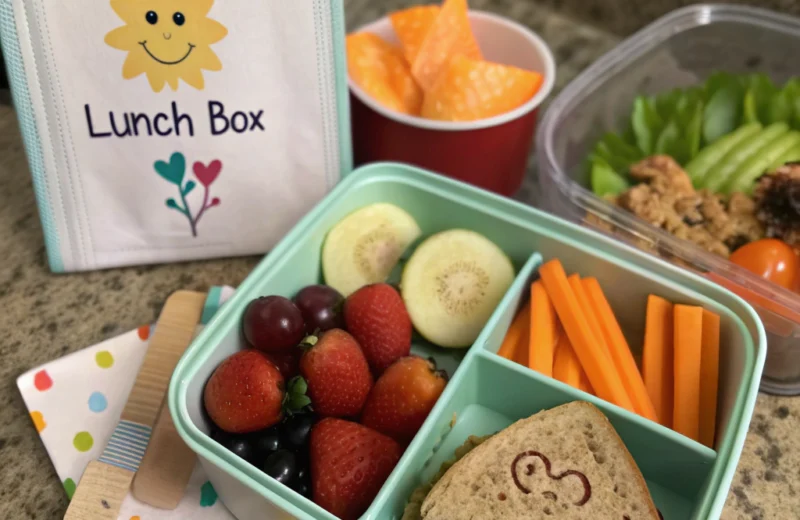
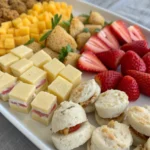
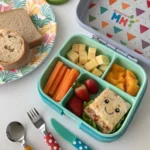
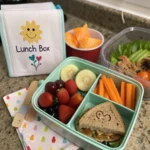
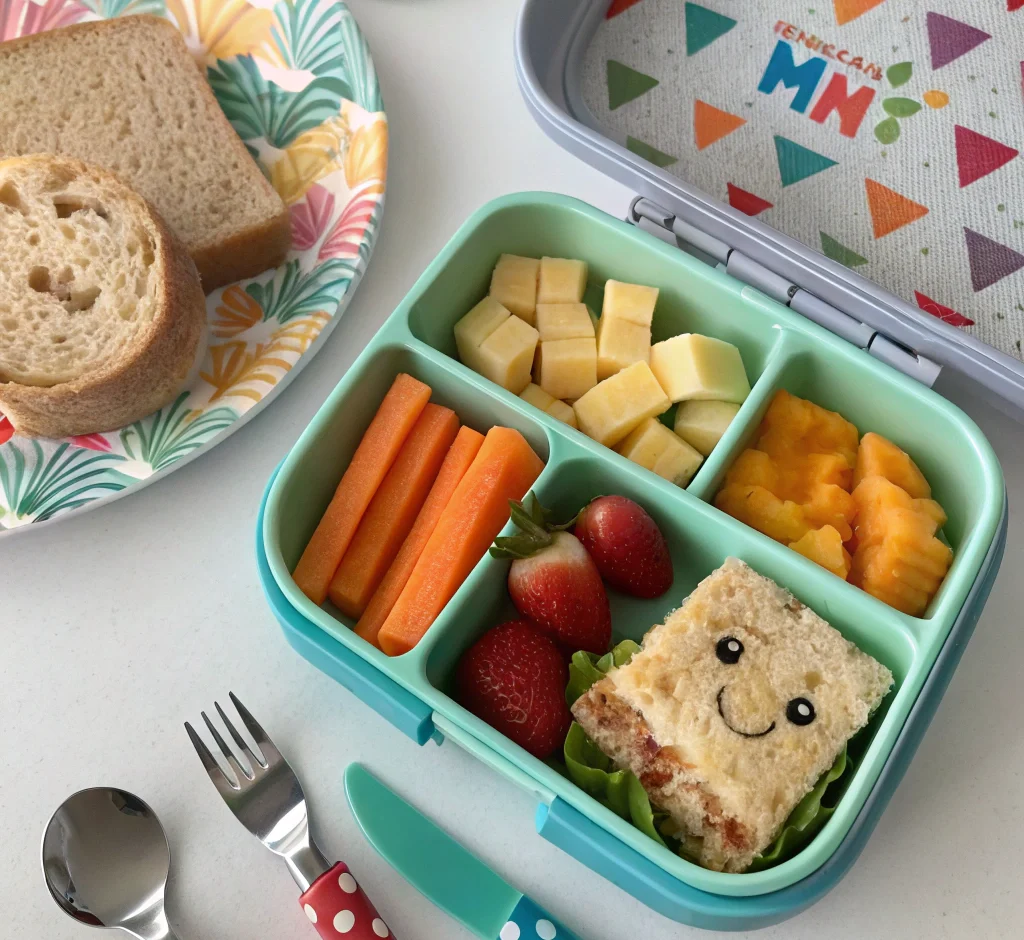
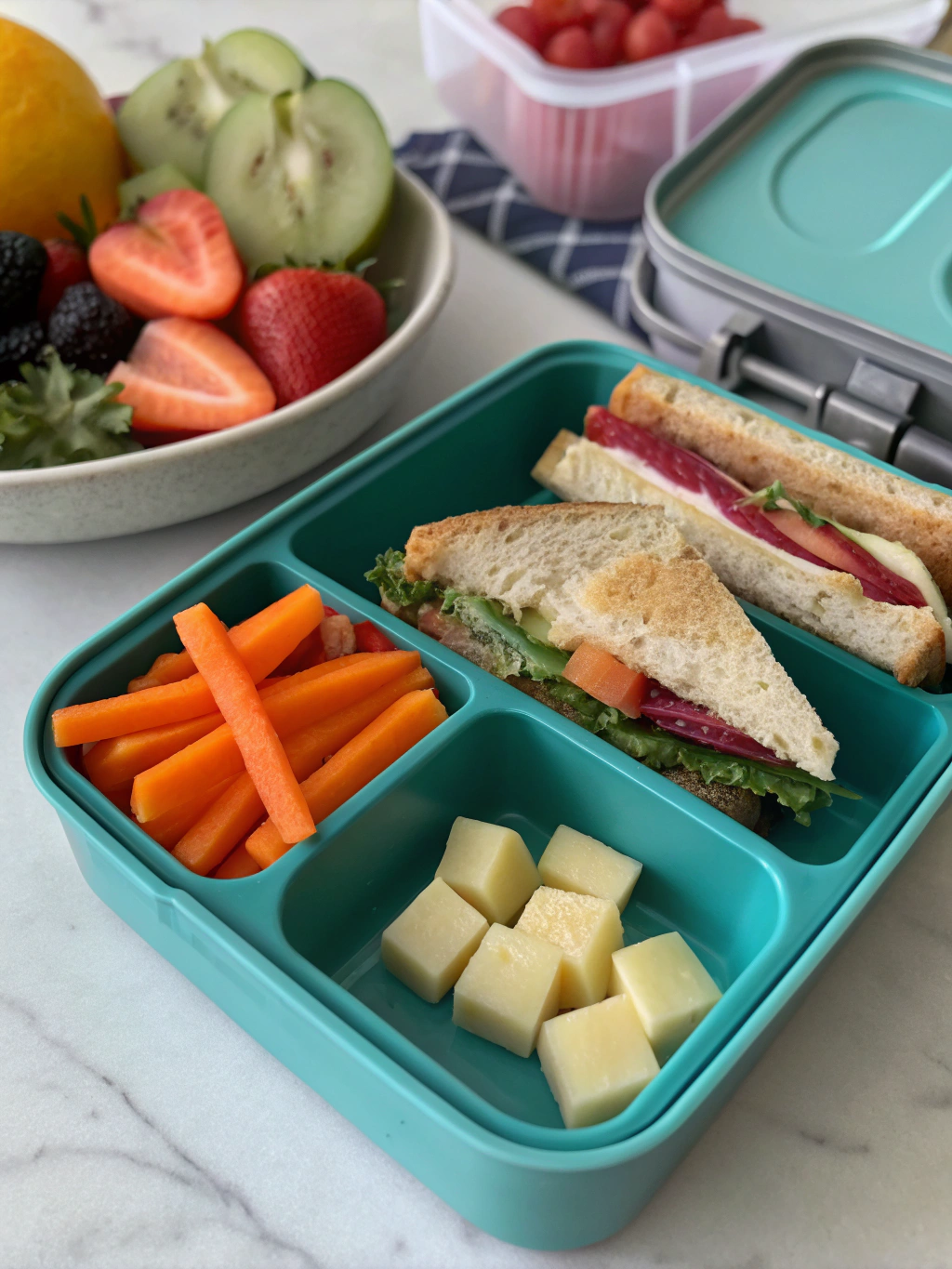
Compartmentalized Magic: Use bento-style lunch boxes with separate sections to prevent food mixing and create visual organization that appeals to toddler sensibilities.
Interactive Elements: Include child-safe utensils that encourage self-feeding independence. Provide small containers for dipping sauces to make eating more engaging.
Temperature Considerations: Pack cold items with ice packs and warm foods in insulated containers. Maintain food safety while ensuring optimal taste and texture.
Portion Perfection: Use toddler-appropriate serving sizes – roughly 1-2 tablespoons per year of age for each food group to prevent waste and overwhelming portions.
Common Mistakes to Avoid
Learn from these frequent lunch-packing pitfalls:
Over-Complication: Avoid elaborate presentations that sacrifice nutritional quality. Simple, wholesome foods often outperform Instagram-worthy creations in terms of actual consumption.
Temperature Neglect: Failing to maintain proper food temperatures creates safety risks and unappetizing textures. Invest in quality thermal lunch gear.
Repetition Fatigue: Serving identical lunches daily leads to boredom and food rejection. Rotate ingredients weekly while maintaining familiar base components.
Portion Misjudgment: Packing adult-sized portions overwhelms toddlers and contributes to food waste. Remember that toddler stomachs are approximately the size of their clenched fist.
Storing Tips for the Recipe Toddler Lunch Ideas for Preschool
Maximize freshness and food safety with proper storage techniques:
Meal Prep Storage: Pre-cooked components stay fresh for 3-4 days in refrigerated airtight containers. Label containers with preparation dates for easy tracking.
Lunch Box Assembly: Pack lunches the night before, storing them in the refrigerator. Add ice packs in the morning to maintain safe temperatures throughout the school day.
Leftover Management: Repurpose dinner leftovers creatively – transform roasted vegetables into morning omelet fillings or use extra quinoa for next day’s grain salad.
Freezer-Friendly Options: Prepare and freeze mini muffins, meatballs, and cut fruits in individual portions for quick grab-and-go convenience.
Conclusion for Toddler Lunch Ideas for Preschool
Creating successful toddler school lunch ideas combines nutritional science with practical parenting wisdom. By focusing on colorful variety, appropriate portions, and engaging presentations, you’ll develop a sustainable lunch-packing system that nourishes your child’s growing body and curious mind. Remember that Toddler School Lunch Ideas That Work are those that balance nutrition, safety, and appeal while fitting into your family’s realistic daily routine.
Start implementing these strategies gradually, introducing new foods alongside familiar favorites. Your consistency and creativity will pay dividends in developing healthy eating habits that last a lifetime. Try these recipes this week and share your successes – every small step toward better nutrition counts!
FAQs
Q: How do I keep cut fruits from browning in lunch boxes?
A: Treat cut apples and pears with lemon juice, pack them in airtight containers, and keep lunch boxes refrigerated until eating time. Alternatively, choose naturally non-browning fruits like berries or citrus segments.
Q: What’s the safest way to pack proteins for toddlers?
A: Always use ice packs, pre-cool lunch boxes, and choose shelf-stable proteins like hard-boiled eggs or properly cooked and cooled meats. Avoid anything requiring heating unless your facility provides safe reheating options.
Q: How can I encourage my picky eater to try new lunch foods?
A: Introduce new items alongside familiar favorites, cut foods into fun shapes, and involve your toddler in lunch preparation. Start with tiny portions of new foods to reduce pressure and increase curiosity.
Q: Are there nut-free protein alternatives for daycare lunches?
A: Absolutely! Try sunflower seed butter, hummus, cheese, hard-boiled eggs, or homemade meat/veggie meatballs. These provide essential amino acids without triggering allergy concerns in group settings.
Q: How far in advance can I prepare toddler lunches?
A: Prep components 2-3 days ahead, but assemble lunch boxes the night before serving. This timeline maintains optimal freshness while maximizing your meal preparation efficiency.