Family-Style Toddler Dinner Ideas Everyone Can Share
- December 5, 2025
- 0
- 10 Min Read

Navigating toddlerhood can feel like a constant whirlwind, especially when it comes to mealtimes.family Style toddler dinners Ideas From picky eating phases to navigating developmental milestones, feeding your little one can be a challenge. But what if dinner could be a more enjoyable and less stressful experience for everyone? Enter: family-style meals. This approach not only simplifies dinner preparation but also fosters a positive relationship with food for your toddler and the entire family.
This comprehensive guide will walk you through the benefits of family-style dining, offer a treasure trove of toddler-friendly dinner ideas that the whole family can enjoy, and provide practical tips for making mealtimes safe, nutritious, and fun. Let’s dive in!
Table of Contents
What are Family-Style Meals? family Style toddler dinners Ideas
Family-style meals are exactly what they sound like: serving food in bowls and platters on the table, allowing each family member to serve themselves. Instead of pre-plating individual portions, everyone gets to choose what and how much they want to eat.
Benefits of Family-Style Dining for Toddlers:
family Style toddler dinners Ideas
- Promotes Independence: Toddlers thrive on independence. Family-style meals allow them to make choices about what they eat, fostering a sense of control and autonomy.
- Encourages Exploration: Seeing a variety of foods presented in an appealing way can pique a toddler’s curiosity and encourage them to try new things.
- Models Healthy Eating Habits: When toddlers see their parents and siblings enjoying a variety of foods, they are more likely to mimic those behaviors.
- Reduces Mealtime Stress: By removing the pressure to eat a specific amount of food, family-style meals can help alleviate mealtime anxiety for both parents and toddlers.
- Improves Fine Motor Skills: Serving themselves helps toddlers develop their fine motor skills, such as grasping and scooping.
- Enhances Social Skills: Family meals provide opportunities for conversation, connection, and learning social etiquette.
Making Family-Style Meals Safe for Toddlers (Ages 1-3)
Safety is paramount when serving food to toddlers. Here are some essential guidelines to keep in mind:
- Choking Hazards:
- Avoid: Whole grapes, cherry tomatoes, hot dogs, nuts, popcorn, hard candies, raw carrots, celery sticks, and large chunks of meat or cheese.
- Modify: Cut grapes and cherry tomatoes into quarters, slice hot dogs lengthwise and then into smaller pieces, grind nuts into nut butter or flour, cook carrots and celery until soft, and shred or grate cheese.
- Allergies: Be extremely mindful of any known allergies within the family. Clearly label dishes and use separate serving utensils to prevent cross-contamination.
- Temperature: Ensure food is served at a safe temperature. Avoid serving food that is too hot, as it can burn a toddler’s mouth.
- Utensils: Provide toddler-friendly utensils, such as small forks and spoons with chunky handles.
- Supervision: Always supervise toddlers during mealtimes to ensure they are eating safely.
- Seating: Ensure your toddler is seated securely in a highchair or booster seat.
Texture Modifications for Toddlers
Toddlers are still developing their chewing skills, so it’s important to modify textures to make food easier to manage.
- Soft Foods: Focus on offering soft, cooked vegetables, tender meats, and well-cooked grains.
- Purees: If your toddler is still transitioning to solid foods, pureeing or mashing certain components of the meal can be helpful.
- Shredding and Grating: Shredding meat and cheese, and grating vegetables, makes them easier to chew and swallow.
- Steaming and Roasting: These cooking methods help soften vegetables and make them more palatable for toddlers.
- Small Bites: Cut food into small, manageable bites that are easy for toddlers to pick up and chew.
Portion Guidance for Toddlers
Toddler appetites can fluctuate from day to day. It’s important to offer a variety of healthy foods and allow them to self-regulate their intake. Here’s a general guideline for portion sizes:
- Protein: 1-2 ounces of cooked meat, poultry, fish, beans, or tofu.
- Grains: ¼ – ½ cup of cooked rice, pasta, or other grains.
- Vegetables: ¼ – ½ cup of cooked vegetables.
- Fruits: ¼ – ½ cup of chopped fruit.
- Dairy: ½ cup of milk or yogurt.
Remember: These are just guidelines. Let your toddler be your guide. Offer a variety of healthy options and allow them to choose what and how much they want to eat. Don’t pressure them to finish their plate.
Family-Style Dinner Ideas: A Toddler-Friendly Feast
Here are some delicious and nutritious family-style dinner ideas that are sure to please even the pickiest eaters:
1. Taco Night:
- Ingredients: Ground beef or turkey (cooked and seasoned with mild taco seasoning), shredded cheese (cheddar or Monterey Jack), diced tomatoes, shredded lettuce, avocado slices, black beans, corn, sour cream or Greek yogurt, and soft tortillas or hard taco shells (crushed for toddlers).
- Texture Modifications: Offer the ground meat finely chopped or shredded. Soften the tortillas by warming them slightly. Omit or finely chop raw vegetables.
- Toddler Tip: Let your toddler help assemble their own tacos. This encourages them to interact with the food and makes mealtime more engaging.
2. Pasta Bar:
- Ingredients: Cooked pasta (penne, rotini, or shells), marinara sauce, pesto sauce, meatballs (cut into small pieces), cooked chicken (shredded), steamed broccoli, peas, shredded carrots, and grated Parmesan cheese.
- Texture Modifications: Choose pasta shapes that are easy for toddlers to pick up. Cut meatballs into small, manageable pieces. Steam vegetables until soft.
- Toddler Tip: Offer a variety of sauces and toppings to allow your toddler to customize their pasta dish.
3. Chicken and Veggie Skewers:
- Ingredients: Cubed chicken (marinated in a simple marinade of olive oil, lemon juice, and herbs), bell peppers (cut into chunks), zucchini (cut into chunks), cherry tomatoes (halved or quartered), and onion (cut into chunks).
- Instructions: Thread the chicken and vegetables onto skewers. Grill, bake, or pan-fry until the chicken is cooked through and the vegetables are tender.
- Texture Modifications: Ensure the chicken is cooked until very tender and cut into small pieces. Remove the skewers before serving to toddlers.
- Toddler Tip: Serve with a side of rice or quinoa for a complete meal.
4. Sheet Pan Fajitas: for family Style toddler dinners
- Ingredients: Chicken or steak (sliced into strips), bell peppers (sliced), onions (sliced), fajita seasoning, and tortillas.
- Instructions: Toss the chicken or steak, bell peppers, and onions with fajita seasoning. Spread on a sheet pan and bake until the meat is cooked through and the vegetables are tender.
- Texture Modifications: Cut the meat into very small pieces. Soften the tortillas by warming them slightly.
- Toddler Tip: Serve with avocado slices, sour cream, and shredded cheese for a complete meal.
5. Mini Pizzas:
- Ingredients: English muffins or pita bread, pizza sauce, shredded mozzarella cheese, and toppings of your choice (pepperoni, mushrooms, bell peppers, olives).
- Instructions: Spread pizza sauce on the English muffins or pita bread. Sprinkle with mozzarella cheese and add your desired toppings. Bake until the cheese is melted and bubbly.
- Texture Modifications: Cut toppings into small pieces. Avoid toppings that are choking hazards.
- Toddler Tip: Let your toddler help assemble their own mini pizzas.
6. Shepherd’s Pie:
- Ingredients: Ground beef or lamb (cooked with onions, carrots, and peas), mashed potatoes (made with milk and butter), and shredded cheese (optional).
- Instructions: Spread the cooked meat and vegetable mixture in a baking dish. Top with mashed potatoes and sprinkle with cheese (optional). Bake until heated through.
- Texture Modifications: Ensure the meat is finely ground. Mash the potatoes until smooth.
- Toddler Tip: This is a great way to sneak in extra vegetables.
7. Chicken Noodle Soup: for family Style toddler dinners
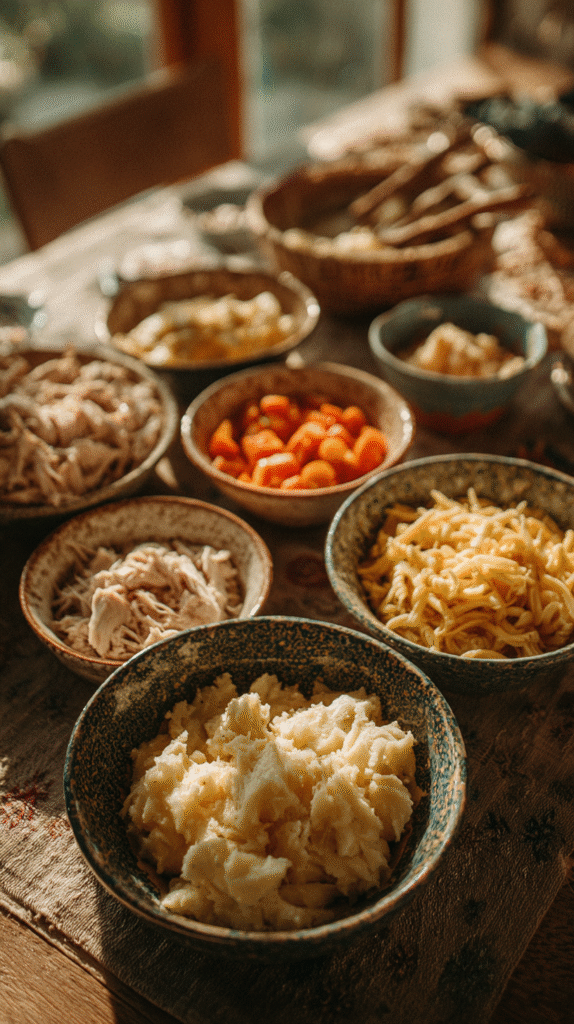
- Ingredients: Chicken broth, family Style toddler dinners chicken (shredded), egg noodles, carrots (diced), celery (diced), and onion (diced).
- Instructions: Combine all ingredients in a pot and simmer until the vegetables are tender.
- Texture Modifications: Cut the chicken into small pieces. Cook the noodles until very soft.
- Toddler Tip: This is a comforting and nutritious meal that is perfect for sick days.
8. Lentil Soup:
- Ingredients: Lentils, vegetable broth, diced tomatoes, carrots (diced), celery (diced), onion (diced), and spices (cumin, coriander, turmeric).
- Instructions: Combine all ingredients in a pot and simmer until the lentils are tender.
- Texture Modifications: Puree a portion of the soup for toddlers who prefer a smoother texture.
- Toddler Tip: Serve with a side of whole-wheat bread for dipping.
9. Salmon Patties: family Style toddler dinners
- Ingredients: Canned salmon (skin and bones removed), breadcrumbs, egg, onion (finely chopped), and spices (dill, parsley).
- Instructions: Combine all ingredients in a bowl. Form into patties and pan-fry until golden brown.
- Texture Modifications: Ensure the salmon is well-flaked and the patties are soft.
- Toddler Tip: Serve with a side of sweet potato fries and steamed green beans.
10. Breakfast for Dinner:
- Ingredients: Scrambled eggs, whole-wheat pancakes or waffles, fruit (berries, bananas, apples), and yogurt.
- Instructions: Prepare the scrambled eggs, pancakes, and waffles according to your favorite recipes. Serve with fruit and yogurt.
- Texture Modifications: Cut pancakes and waffles into small pieces. Offer soft fruits that are easy to chew.
- Toddler Tip: This is a fun and easy meal that is always a hit with toddlers.
Strategies for Picky Eaters
family Style toddler dinners
Picky eating is a common phase in toddlerhood. Here are some strategies to help navigate this challenge:
- Don’t Pressure: Pressuring your toddler to eat will only make them more resistant.
- Offer Variety: Continue to offer a variety of healthy foods, even if your toddler refuses to eat them.
- Make it Fun: Get your toddler involved in meal preparation. Let them help wash vegetables, stir ingredients, or set the table.
- Serve Familiar Foods: Include at least one familiar food at each meal.
- Dip It! Serve dips like hummus, guacamole, or yogurt with vegetables or crackers.
- Be a Role Model: Let your toddler see you enjoying a variety of healthy foods.
- Limit Snacks: Avoid offering snacks too close to mealtime.
- Be Patient: It can take multiple exposures to a new food before a toddler will try it.
- Avoid Using Food as a Reward or Punishment: This can create unhealthy associations with food.
- Consult with a Pediatrician or Registered Dietitian: If you are concerned about your toddler’s eating habits, seek professional guidance.
Ingredient Substitutions
Don’t be afraid to get creative with ingredient substitutions based on your family’s preferences and dietary needs.
- Meat: Substitute ground beef with ground turkey, chicken, or lentils.
- Dairy: Substitute cow’s milk with almond milk, soy milk, or oat milk.
- Grains: Substitute white rice with brown rice, quinoa, or couscous.
- Vegetables: Substitute any vegetable with another vegetable that your toddler enjoys.
- Fruits: Substitute any fruit with another fruit that your toddler enjoys.
Nutrition Advice
Ensure your toddler is getting the nutrients they need by focusing on offering a balanced diet that includes:
- Protein: Essential for growth and development.
- Carbohydrates: Provide energy. Choose whole grains over refined grains.
- Fats: Important for brain development and hormone production. Choose healthy fats, such as avocado, olive oil, and nuts (ground into nut butter).
- Vitamins and Minerals: Found in fruits and vegetables.
Key Nutrients for Toddlers:
- Iron: Important for brain development. Found in meat, beans, and fortified cereals.
- Calcium: Important for bone health. Found in dairy products, leafy green vegetables, and fortified foods.
- Vitamin D: Important for calcium absorption. Found in fortified milk and sunlight.
Conclusion
Family-style meals are a wonderful way to create positive mealtime experiences for your toddler and the entire family. By offering a variety of healthy foods, making safety a priority, and being patient with picky eaters, you can foster a healthy relationship with food that will last a lifetime. Remember to have fun, be flexible, and enjoy the journey of feeding your little one! Bon appétit!